 KO
KO
 EN
EN
 JA
JA
 TW
TW

![[Modern Poetry] Spring, Shin Dong-yup](https://mblogthumb-phinf.pstatic.net/MjAyNDA5MTJfMjA2/MDAxNzI2MTEwNDM4MDA2.yxEaQa5UZTpOvkZYqVGQCntg04rn-Jl7779aTZ9UNjgg.pLCo5GZdzYYY3k8ihkRbW9atlxd3Vq7ARbyzMvSZO4og.PNG/%C7%F6%B4%EB%BD%C3-001.png?type=w800)
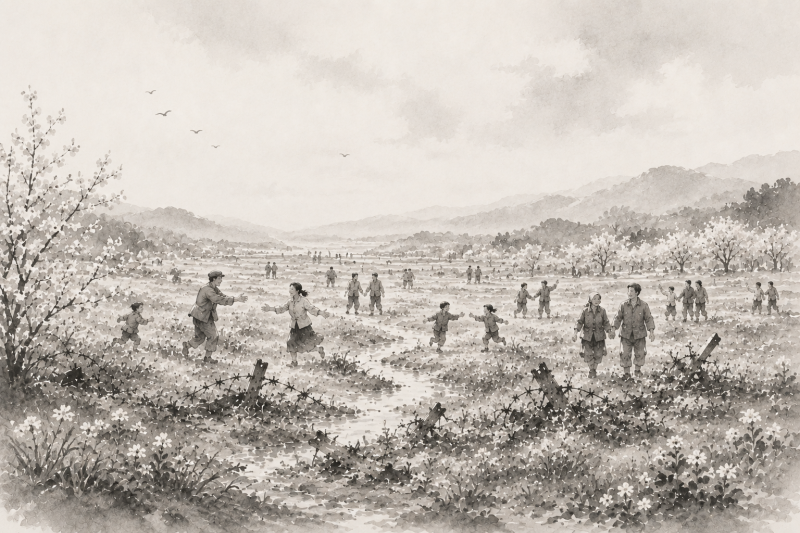
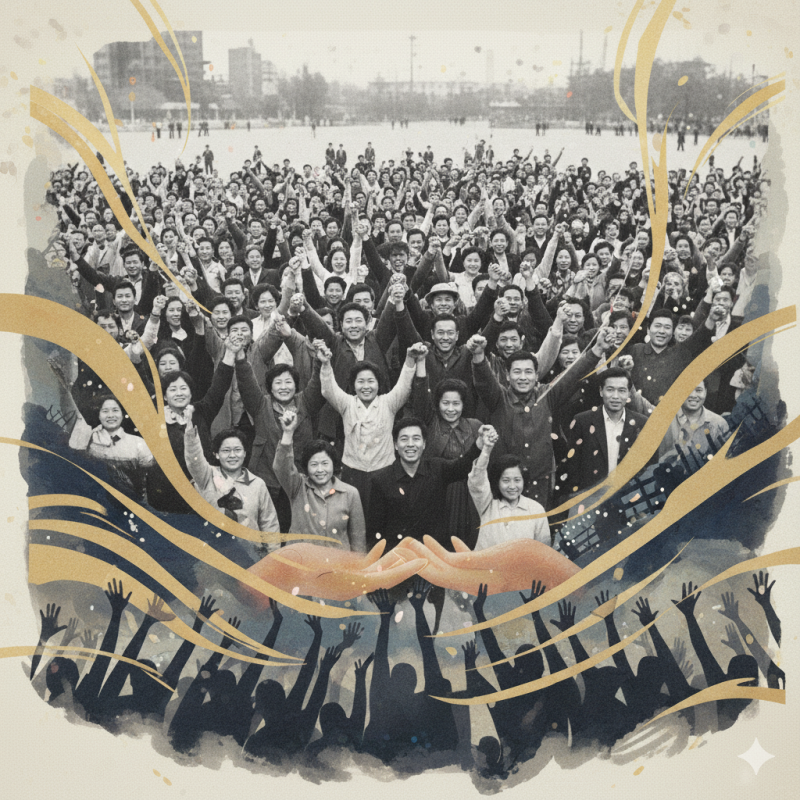
Shin Dong-yup's seminal poem 'Spring' continues to be a significant work in Korean literature, consistently highlighted for its embodiment of the nation's desire for self-reliant unification. The poem interprets 'spring' not merely as a season but as a powerful symbol of will and hope to overcome the division and restore national homogeneity, resonating deeply with readers.
'Spring' articulates its thematic concerns through a stark symbolic contrast between 'spring' and 'winter.' 'Spring' represents the nation's self-reliant unification and a hopeful future, while 'winter' symbolizes division and external pressures. The poet emphatically states, 'Spring does not come from the South Sea nor the North,' asserting that unification will not be granted by external forces but must sprout 'from the beautiful fields we tread from Jeju to Duman.' The poem also expresses a firm resolve to melt away 'the iron of hatred,' showcasing a strong yearning and conviction for the realization of independent unification.
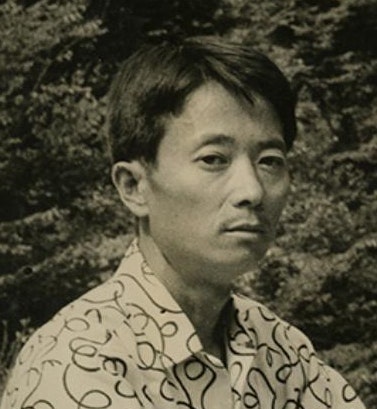
Bloggers commend Shin Dong-yup for reflecting deeply on national sovereignty, the lives of the common people, freedom, and peace in his works, having lived through the tumultuous 1960s. 'Spring,' in particular, is lauded for directly confronting the reality of division and simultaneously advocating for national unification and internal awakening. Through its dualistic structure of 'outside' versus 'inside,' the poem conveys the message that true spring must blossom from within the hearts of the people, offering crucial insights into the poet's literary world and the spirit of his era.

![[2nd Semester] 1-2. Reading and Interpreting Poetry Collections: Shin Dong-yup, 'Spring' Summary](https://mblogthumb-phinf.pstatic.net/MjAyNDA2MDFfMTU5/MDAxNzE3MjUxNzI2NDc0.oEylesJCv6KzOWeVNL5Ij0Fr_T5gwBQOjsq_AyrtSIog.dgGHy_m4eIazYg6YHF4vk1Lwme5IQtXMxtG4KO2dUdMg.PNG/%BA%BD%C0%BA.png?type=w800)

![[Literary Analysis: Modern Poetry] Analysis of Shin Dong-yup's 'Spring'](https://mblogthumb-phinf.pstatic.net/MjAyMjA5MDZfMTUw/MDAxNjYyNDI3Nzc2ODE3.I3W2Pm9-9ZB0Zyjrndr7z8p3H9dhIVsBVfqXzOhX37Mg.gNS0tFGpiaHgcMFq-NcHxR_xWabXK7YUqiOXEQjTuD0g.PNG.rnrtls2019/%C1%A6%B8%F1%C0%BB_%C0%D4%B7%C2%C7%D8%C1%D6%BC%BC%BF%E4_-001_%281%29.png?type=w800)