
 KO
KO
 EN
EN
 JA
JA
 TW
TW
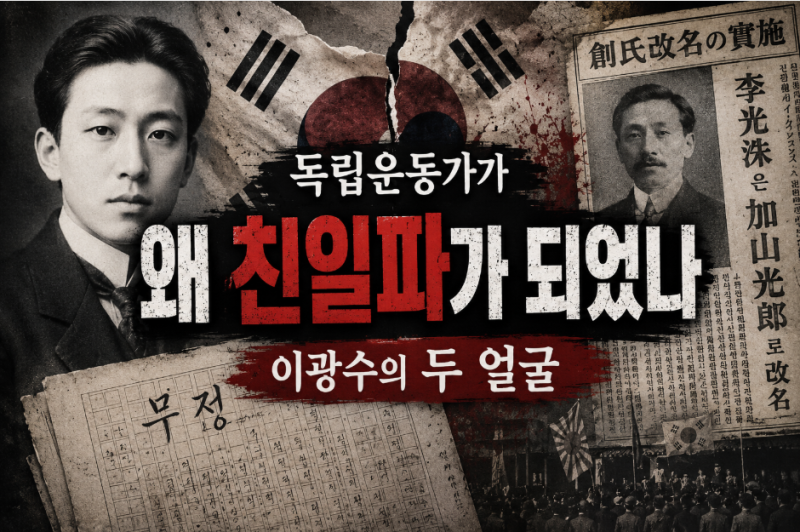
There is growing interest in Lee Kwang-su, the author who opened the door to modern Korean literature. His representative work, "Mujeong" (The Heartless), serialized in Maeil Shinbo in 1917, gained immense popularity and sparked social debate with its unconventional themes of free love and a love triangle. Despite high illiteracy rates at the time, the book sold over 10,000 copies, and Lee Kwang-su was already a major star in his mid-20s, with readers eagerly awaiting each installment.
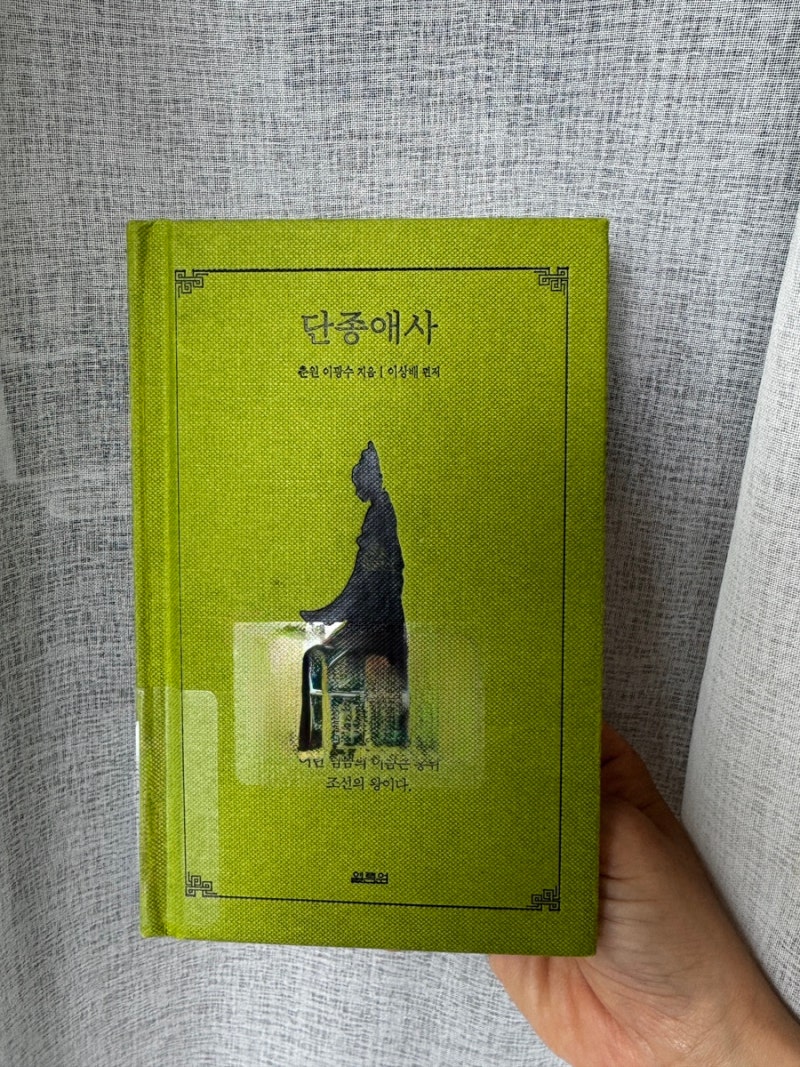
Born in 1892 in Jeongju-gun, Pyeonganbuk-do, to a tenant farming family, Lee Kwang-su lost his parents at age 11 and became the head of the household, supporting his two younger sisters. Extreme poverty, overwork, and malnutrition led to pneumonia and tuberculosis, illnesses he battled throughout his life. With the help of Cheondogyo followers, his literary talent was recognized, earning him an opportunity to study in Tokyo, Japan, which later became the foundation for "Mujeong." He also serialized the historical novel "Danjong Aesa" (The Sad History of King Danjong) in Dong-A Ilbo starting in 1928.
Bloggers describe Lee Kwang-su as a 'genius writer' and a 'figure who transformed from an independence activist to a pro-Japanese collaborator,' highlighting his tumultuous life and literary world. His works are considered the starting point of modern Korean novels and had a significant impact on society at the time. Lee Kwang-su's complex personal history and literary achievements continue to be subjects of exploration for many.