
 KO
KO
 EN
EN
 JA
JA
 TW
TW

![[Modern Poetry] "Spring Is" by Shin Dong-yup](https://mblogthumb-phinf.pstatic.net/MjAyNDA5MTJfMjA2/MDAxNzI2MTEwNDM4MDA2.yxEaQa5UZTpOvkZYqVGQCntg04rn-Jl7779aTZ9UNjgg.pLCo5GZdzYYY3k8ihkRbW9atlxd3Vq7ARbyzMvSZO4og.PNG/%C7%F6%B4%EB%BD%C3-001.png?type=w800)

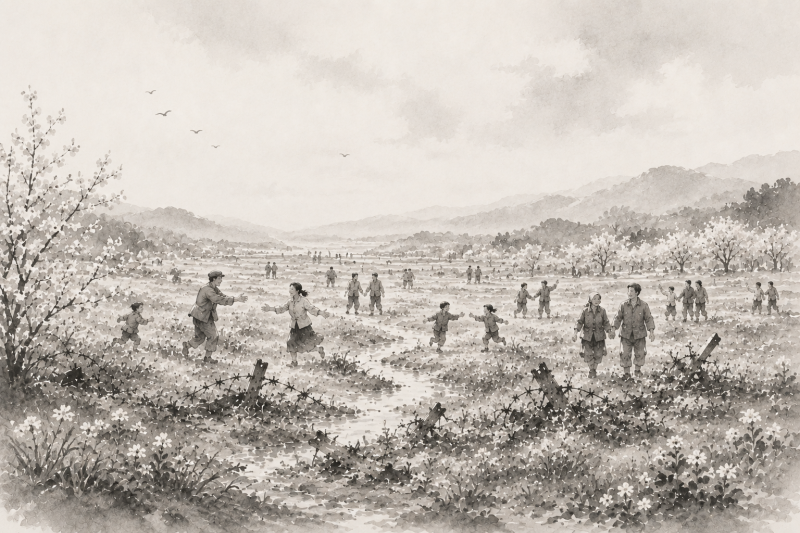
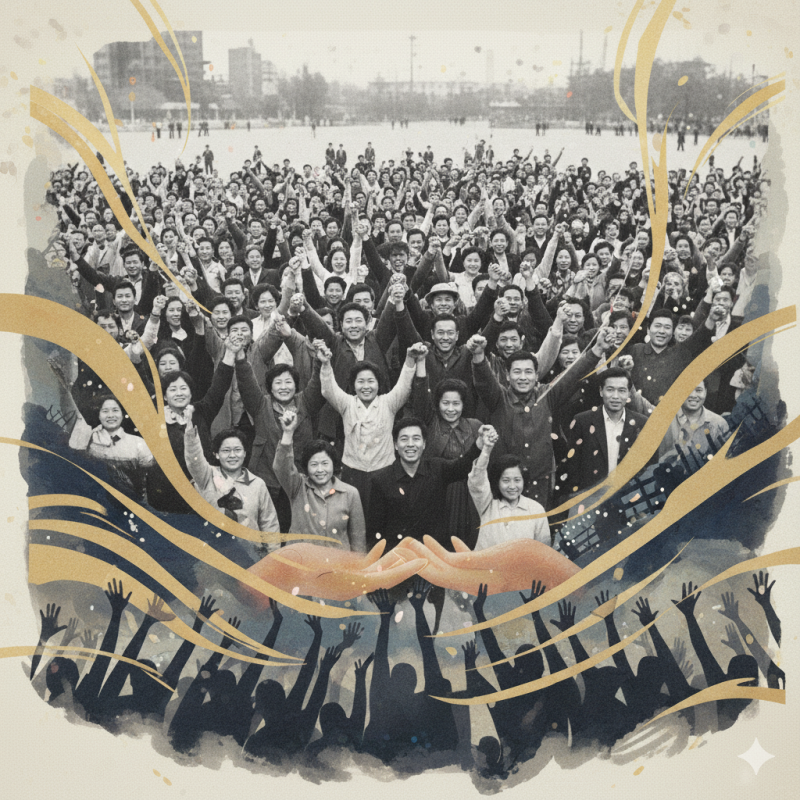
Shin Dong-yup's seminal poem 'Spring' (봄은) is a powerful work in contemporary Korean poetry, consistently re-evaluated for its fervent expression of national unification and self-reliance. The poem utilizes the metaphor of 'spring' to directly address the reality of a divided Korean Peninsula, conveying a profound message that genuine peace and unification must stem from the Korean people's own strength, rather than relying on external powers.
The core of the poem lies in its contrasting structures: 'spring' versus 'winter,' and 'outside' versus 'inside.' 'Winter' symbolizes the division and external pressures imposed from beyond the seas and continents, with 'bitter blizzards' and 'iron pieces of hatred' metaphorically representing the pain of division and military confrontation. Conversely, 'spring' signifies the autonomous unification and internal awakening of the nation, blossoming from 'the beautiful fields we tread from Jeju to Duman' and 'within our hearts in every village of the three thousand li.' The poet's provocative opening line, 'Spring does not come from the South Sea nor the North,' emphasizes that unification must be achieved through the Korean people's inherent capabilities, not external forces.
Bloggers analyze the poem as participatory, resistant, prophetic, and resolute, centering on a strong desire and conviction for the realization of autonomous unification. They particularly note that the definitive and confident tone, using phrases like 'it will sprout' and 'it will melt away,' reveals the poet's strong will. Readers resonate with the poem's deep reflection on the reality of division and its timeless message that the Korean people must proactively forge their own future through their sovereign capabilities.


![[Understanding the Work] Shin Dong-yup, "Spring Is" (Introduction, Analysis, Interpretation, Summary)](https://mblogthumb-phinf.pstatic.net/MjAyNTA5MjdfMjU5/MDAxNzU4OTU3NzE2Mjg4.lo6lB-IStj47tc6TIUq3kyv7WlAtBR-__ZDPwTi4oWEg.mbfGoeT_cW4xs0XeMYZQGH9vJMUc-ZbHBlVADoNNJzAg.JPEG/1535781.jpg?type=w800)

![[2nd Semester] 1-2. Reading and Interpreting Poetry Collections: Summary of Shin Dong-yup's "Spring Is"](https://mblogthumb-phinf.pstatic.net/MjAyNDA2MDFfMTU5/MDAxNzE3MjUxNzI2NDc0.oEylesJCv6KzOWeVNL5Ij0Fr_T5gwBQOjsq_AyrtSIog.dgGHy_m4eIazYg6YHF4vk1Lwme5IQtXMxtG4KO2dUdMg.PNG/%BA%BD%C0%BA.png?type=w800)
![[Literary Analysis: Modern Poetry] Analysis of Shin Dong-yup's "Spring Is"](https://mblogthumb-phinf.pstatic.net/MjAyMjA5MDZfMTUw/MDAxNjYyNDI3Nzc2ODE3.I3W2Pm9-9ZB0Zyjrndr7z8p3H9dhIVsBVfqXzOhX37Mg.gNS0tFGpiaHgcMFq-NcHxR_xWabXK7YUqiOXEQjTuD0g.PNG.rnrtls2019/%C1%A6%B8%F1%C0%BB_%C0%D4%B7%C2%C7%D8%C1%D6%BC%BC%BF%E4_-001_%281%29.png?type=w800)