 KO
KO
 EN
EN
 JA
JA
 TW
TW

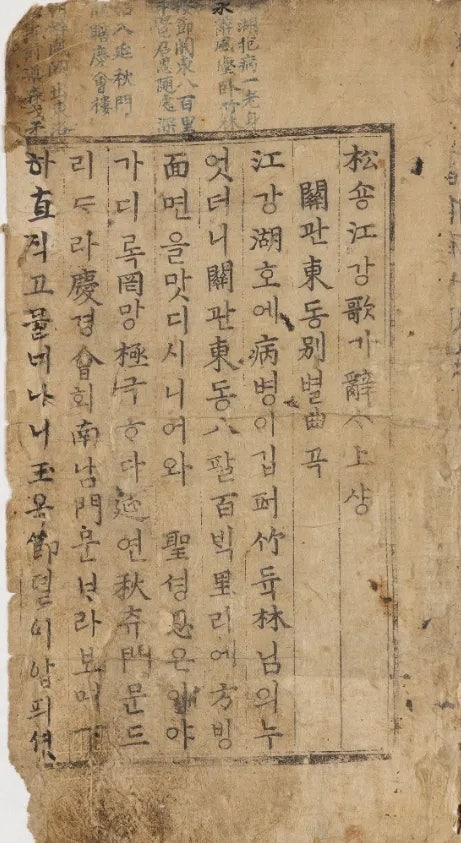
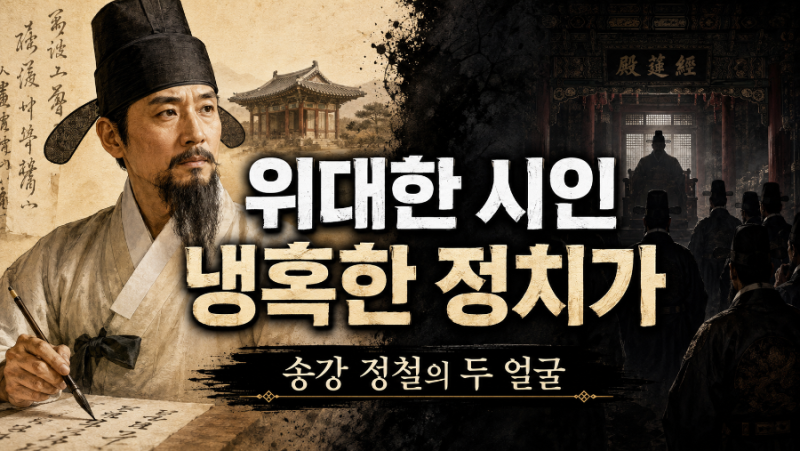
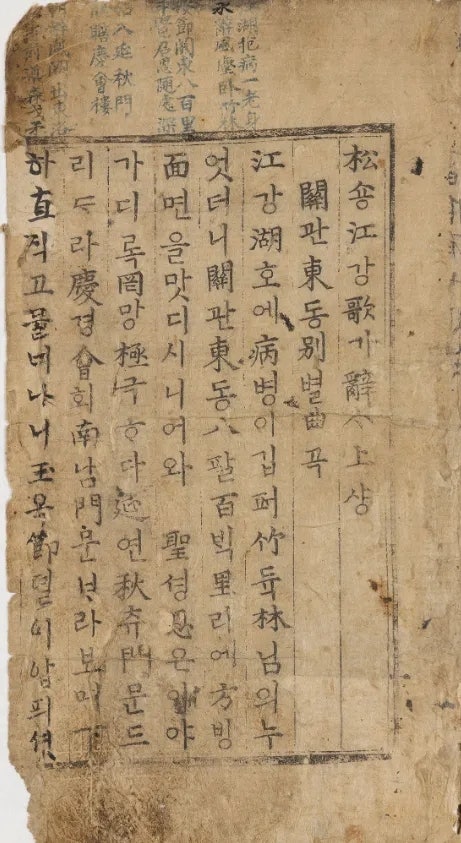
Songgang Jeongcheol was a civil official and literary figure during the mid-Joseon period, credited with elevating the Gasa genre to an artistic pinnacle in Korean poetic history. Through major Gasa works such as 'Gwandongbyeolgok', 'Seongsanbyeolgok', 'Samiingok', and 'Sokmiingok', he demonstrated the refinement of the Korean language and the aesthetic use of native words, skillfully blending the loyalty of a scholar-official with personal lyrical anguish. However, he also faced criticism as a "ruthless politician" for leading the Gichuk Oksa incident and suppressing the Dongin faction as a key figure of the Seoin faction.
Jeongcheol's life was deeply intertwined with the intense factional strife and purges of the Joseon era. Born in Seoul in 1536, he had early ties to the royal family, but his family also suffered from political upheavals like the Eulsa Sahwa. Much of his literature emerged from periods of political ups and downs, including dismissals, reinstatements, exiles, and reclusions. 'Samiingok' and 'Jangjinju-sa' are particularly noted for reflecting the contradictory aspects of his inner life. He left behind approximately 90-107 sijo poems and over 760 Chinese poems.
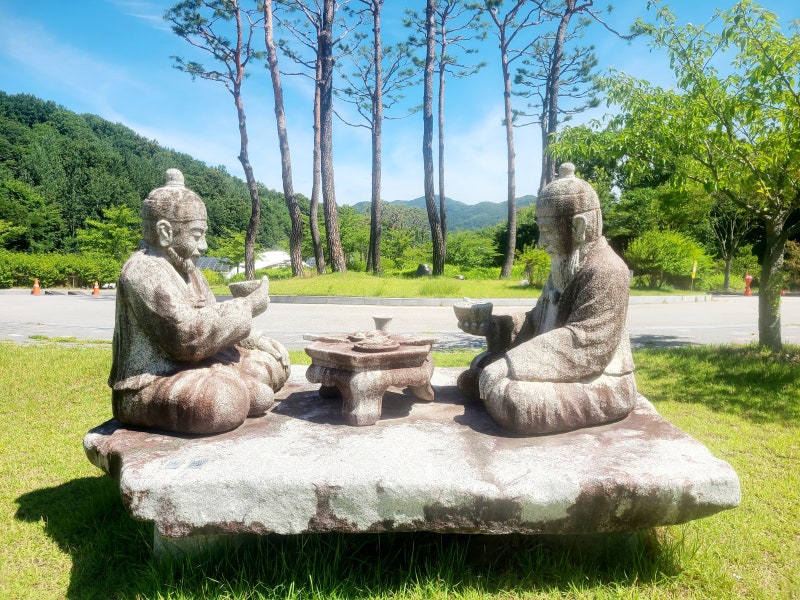
Jeongcheol's tomb is located at Jeongsonggangsa in Munbaek-myeon, Jincheon-gun, Chungcheongbuk-do, where the Songgang Literary Experience Center is also situated. While Damyang was where Jeongcheol's life and literature flourished, Jincheon is where later generations remember and visit him. The Songgang Literary Experience Center is a complex cultural space offering exhibitions, videos, and audio experiences to explore Jeongcheol's life and literature, providing visitors with a deep understanding of both his literary achievements and political actions.



![[Gwangju Travel] Kim Yun-je's 'Hwanbyeokdang' in Chunghyo-dong - A Pavilion of Scholarship and Elegance... Songgang Jeongcheol's Study Room](https://mblogthumb-phinf.pstatic.net/MjAyNjEwMDRfMTAg/MDAxNzkxMDg2OTQwNDQy.DRywQs8FAyP_SagXSxnoS2Y7HBpcDOqwyN8z6gq4kxMg.gyOcdbiAIz5QLYS9ydoTgCq3qOUkylOS3AD1Eyo6hm4g.JPEG/20260926_103557.jpg?type=w800)