 KO
KO
 EN
EN
 JA
JA
 TW
TW
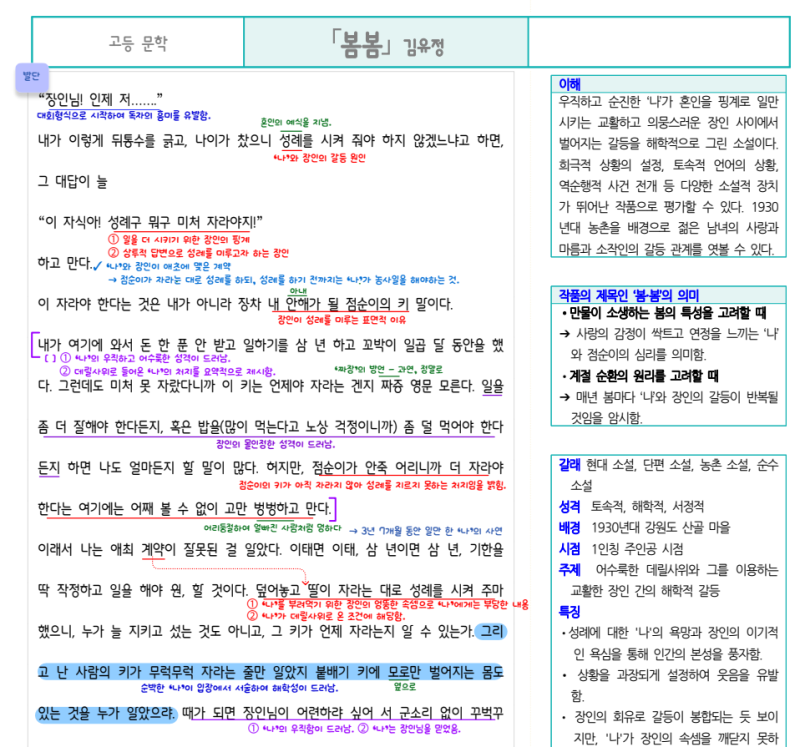


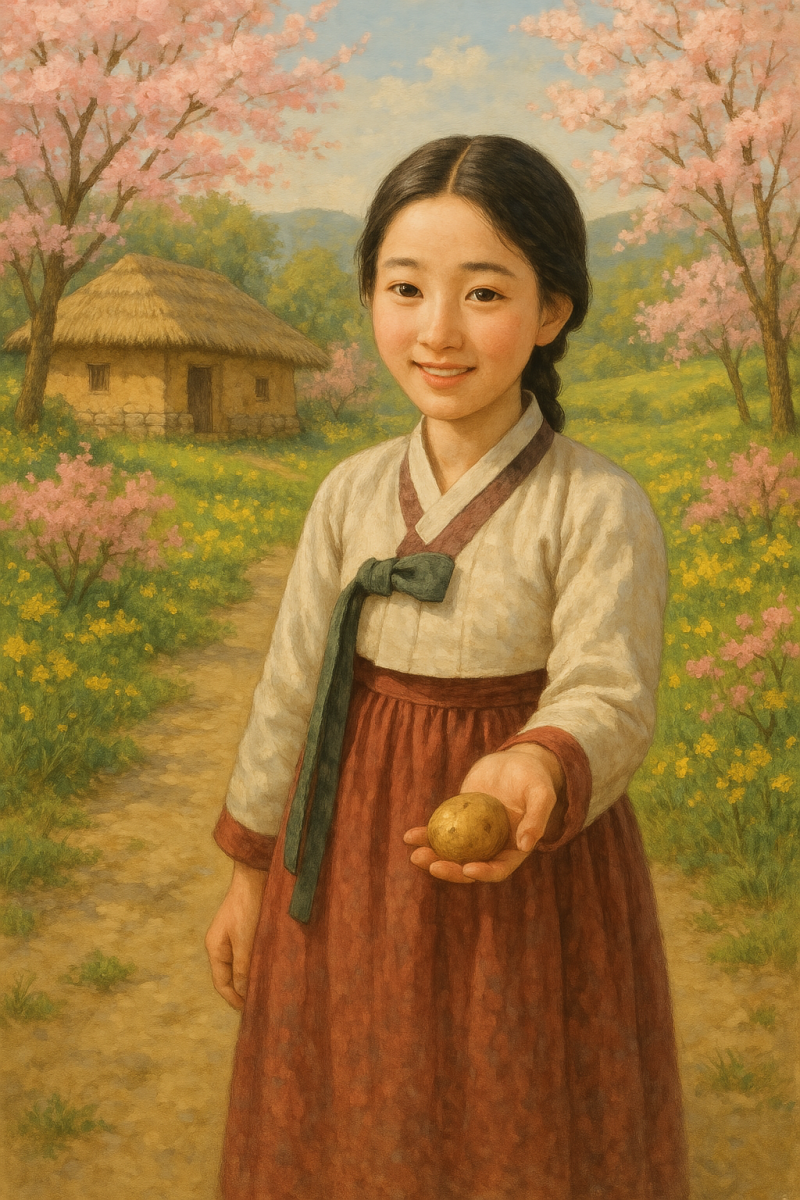
Kim Yu-jeong's short story 'Bombom' humorously depicts the impoverished reality of tenant farmers in a rural Gangwon-do village during the 1930s, focusing on the son-in-law servitude system and the exploitative structure involving landlords and overseers. The narrative employs a naive narrator's perspective, local dialect, and exaggerated situations to create its distinctive humor, rather than a tragic tone.
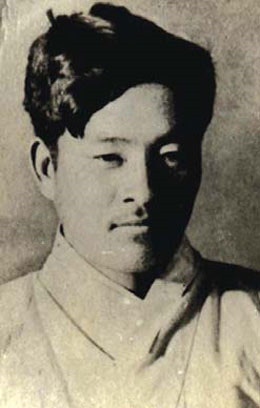
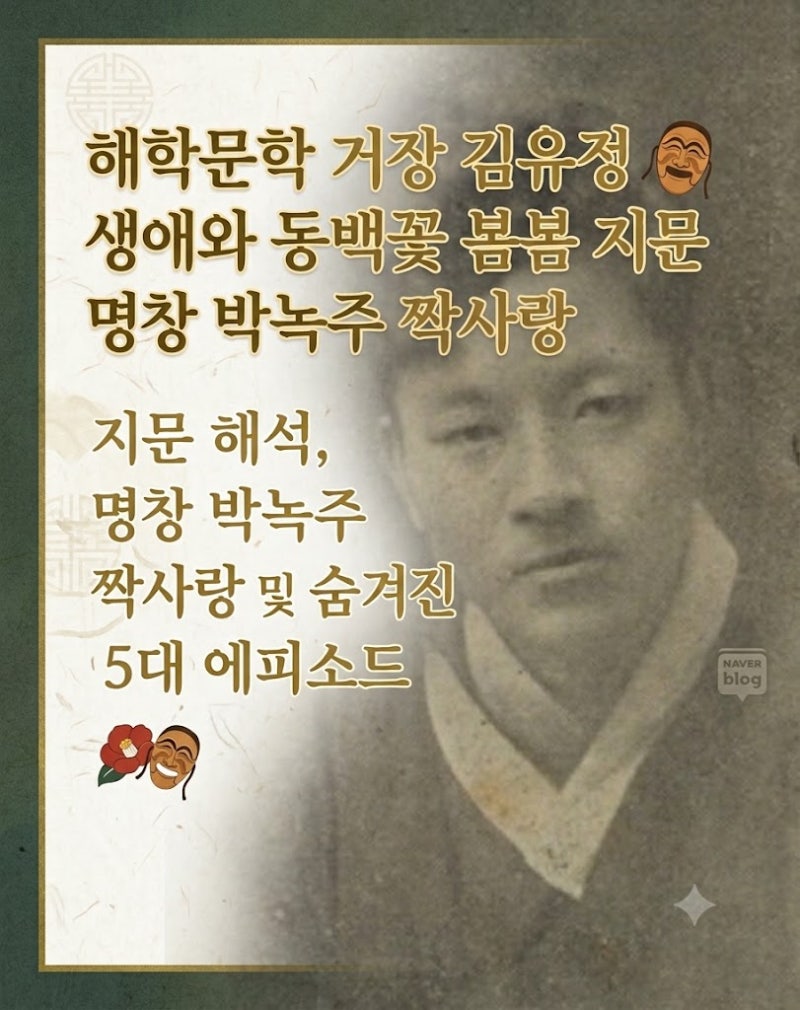
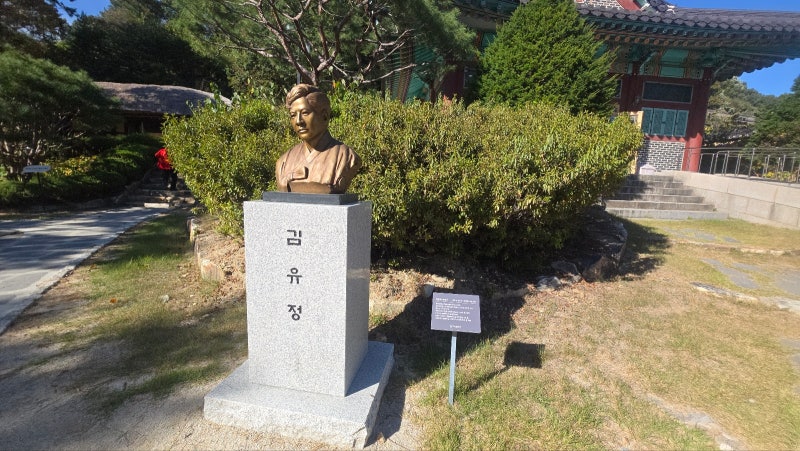
'Bombom' was first published in the December 1935 issue of 『Jogwang』 and later included in 『Modern Joseon Literature Collection 2』 and the short story collection 『Camellia Flowers』 in 1938. Author Kim Yu-jeong was born in Seoul in 1908, lost his parents early, and experienced poverty due to his brother's profligate lifestyle. From 1930 to 1932, he engaged in rural enlightenment movements in his hometown of Sille Village, Chuncheon, using the lives of farmers as significant backdrops for his novels.
Bloggers note that 'Bombom's first-person protagonist perspective and the narrator's naive statements create a cognitive distance for readers from the actual situation, maximizing its humor. They particularly highlight the contrast between the narrator's innocence and the father-in-law's cunning in delaying the marriage, using the excuse of the daughter's growth, which forms the core conflict of the story.