
 KO
KO
 EN
EN
 JA
JA
 TW
TW
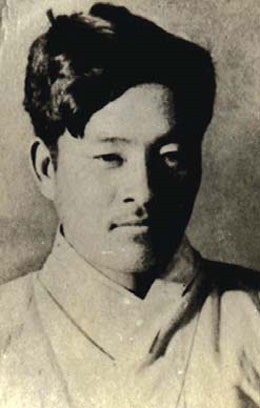
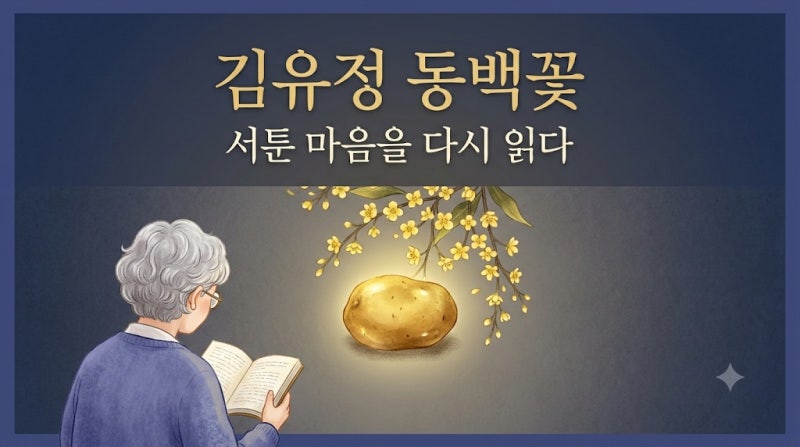
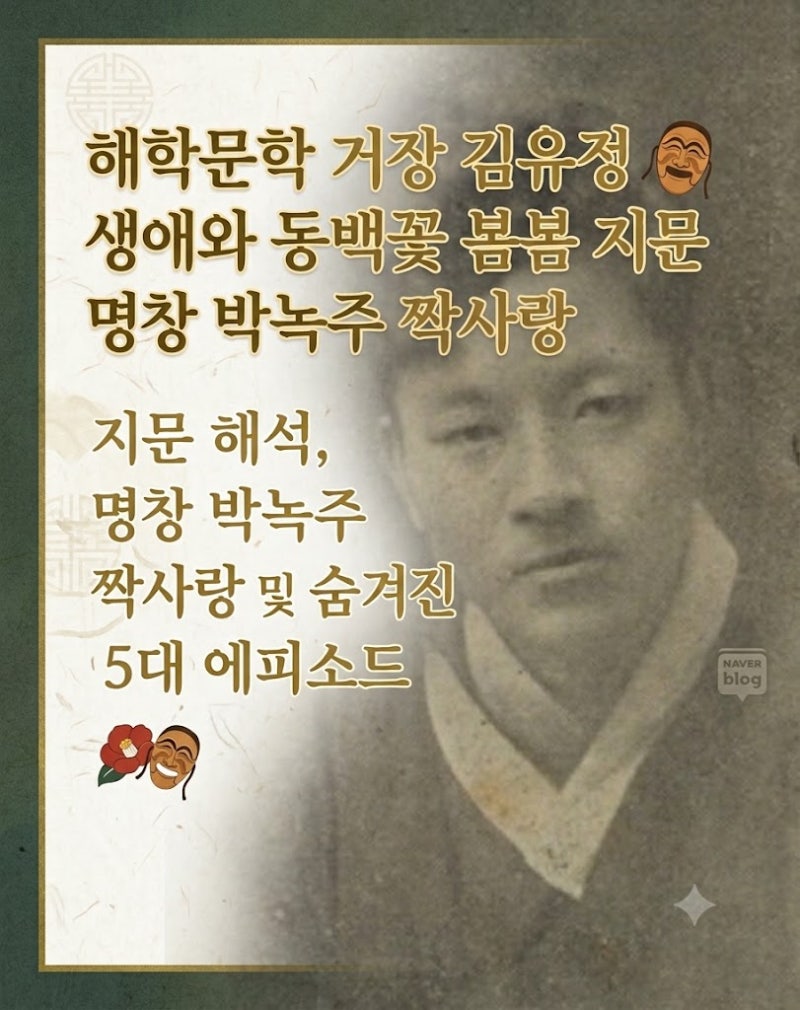
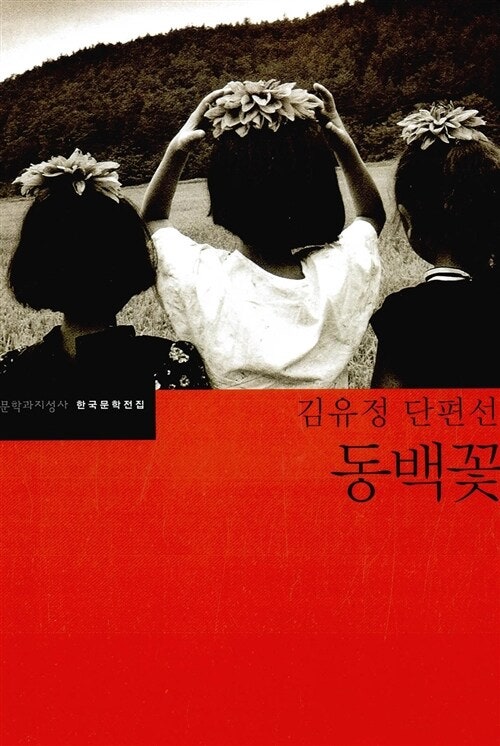
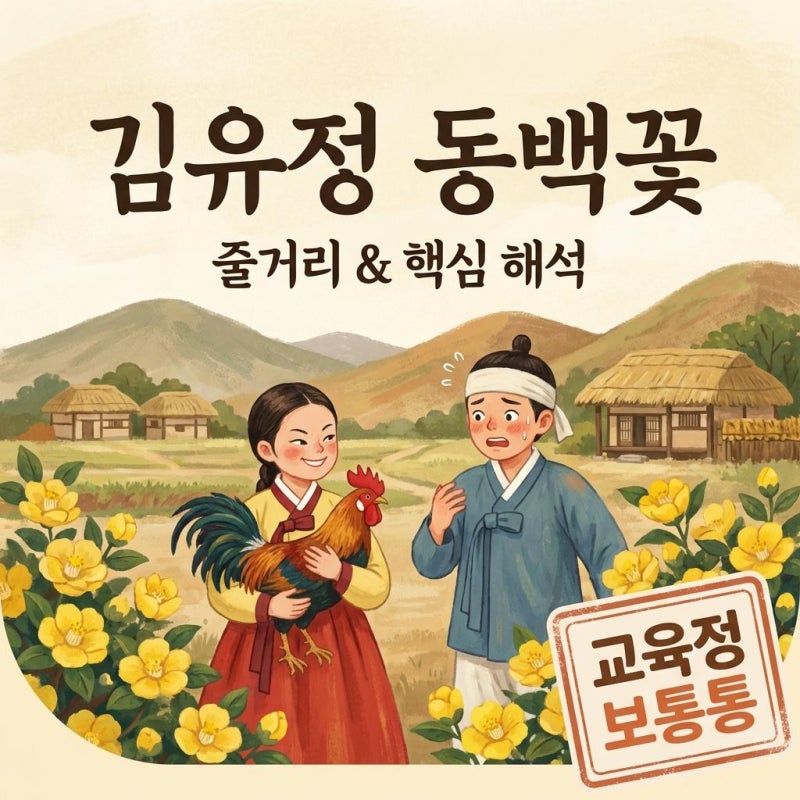
Kim Yu-jeong's representative work, 'Camellia,' is once again drawing attention among Korean literature enthusiasts. This short story, published in the magazine 'Jogwang' in 1936, humorously portrays the innocent and clumsy love between an adolescent boy and girl in a rural Gangwon-do village during the Japanese colonial period. The class differences between Jeomsuni, the landlord's daughter, and 'I,' the tenant farmer's son, and the pure emotions that blossom within that context, resonate deeply with many readers.
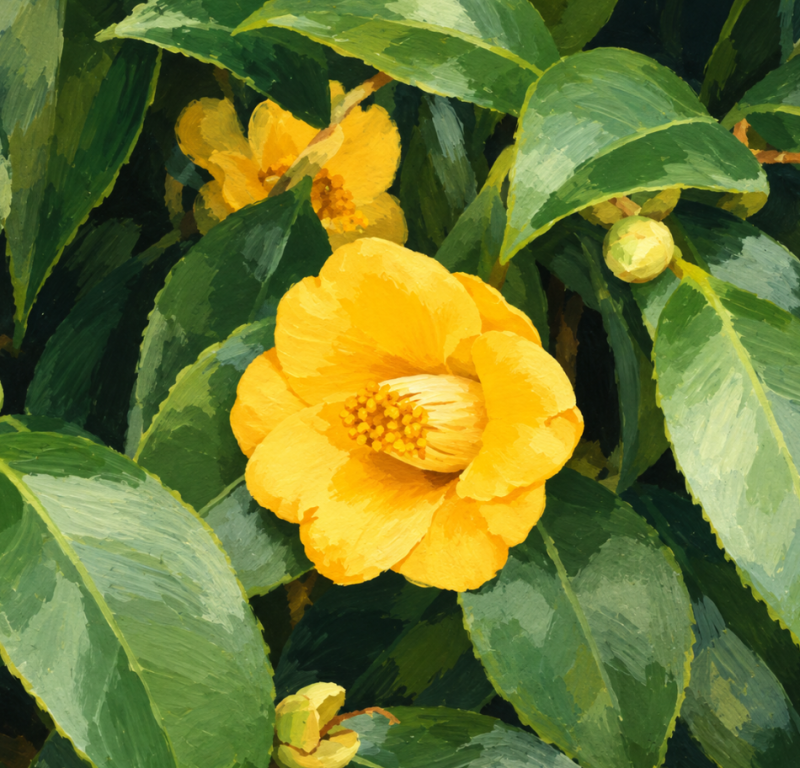
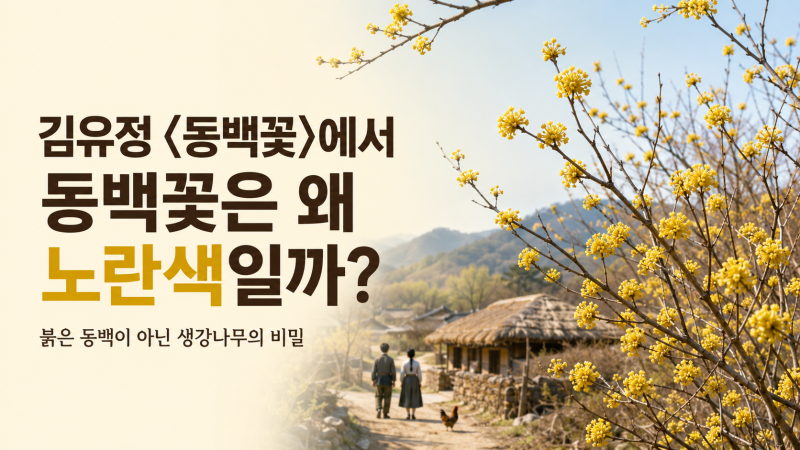
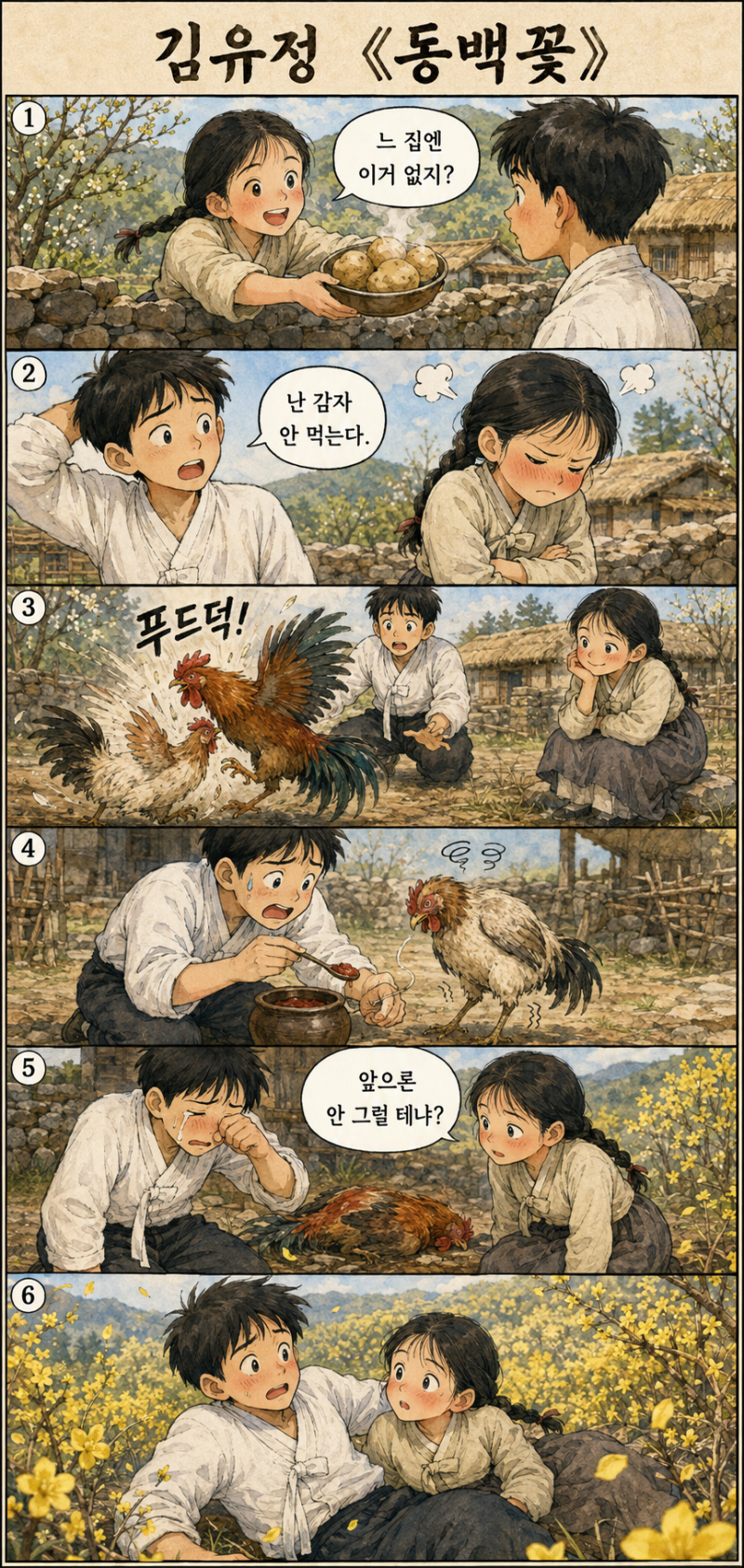
The core of the novel begins with three baked potatoes that Jeomsuni offers to 'I.' This was Jeomsuni's awkward expression of affection, but the oblivious 'I' rejects it, initiating the conflict. Subsequently, Jeomsuni tries to attract 'I''s attention through chicken fights, which ironically leads to 'I''s chicken being tormented. The 'camellia' mentioned here is not the common red camellia, but rather the yellow spicebush flower, referred to as 'dongbaekkkot' in the Gangwon-do dialect, symbolizing the fresh and fragrant emotions of young love.
Bloggers note that upon re-reading 'Camellia,' they realize Jeomsuni's actions are not merely annoying but an expression of clumsy first love, where she puts up thorns because she doesn't know what else to do. Furthermore, while they initially focused on the humorous writing style or regional background when encountering it in textbooks, reading the entire collection reveals the scent of poverty hidden behind the laughter and the poignancy of the naive characters. The fact that the protagonist 'I' remains unaware of Jeomsuni's feelings until the end is highlighted as a compelling aspect, providing both humor and a sense of pity to the reader.




![[Sohwi's Book-Q Book-Q] Kim Yu-jeong's "Camellia" | Not Knowing How to Say "I Like You" Leads to Constant Mischief](https://mblogthumb-phinf.pstatic.net/MjAyNjA5MTBfMjc4/MDAxNzg5MDA1MDIyNjA0.6tvuvCzWU_60JbBI0EFpnK_xJ45_3SFN_gThtBtz-y4g.gpNAgOe5OpgUiaT5gtUot4bYXTyOtAOQuEW_zpy3GDcg.PNG/ChatGPT_Image_2026%B3%E2_9%BF%F9_10%C0%CF_%BF%C0%C0%FC_10_38_14.png?type=w800)