
 KO
KO
 EN
EN
 JA
JA
 TW
TW
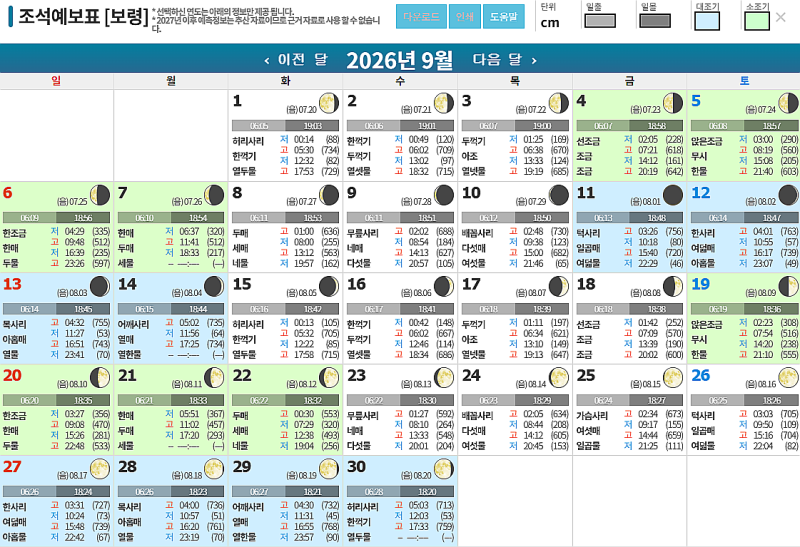
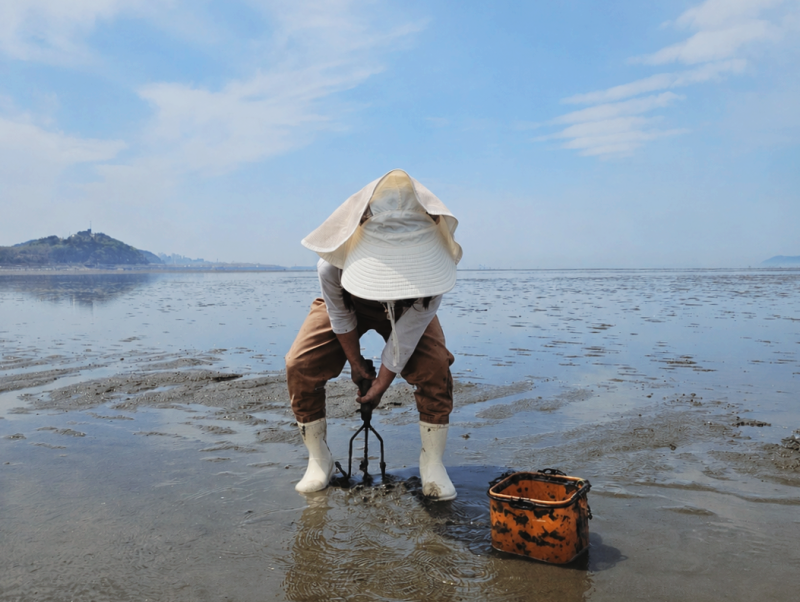
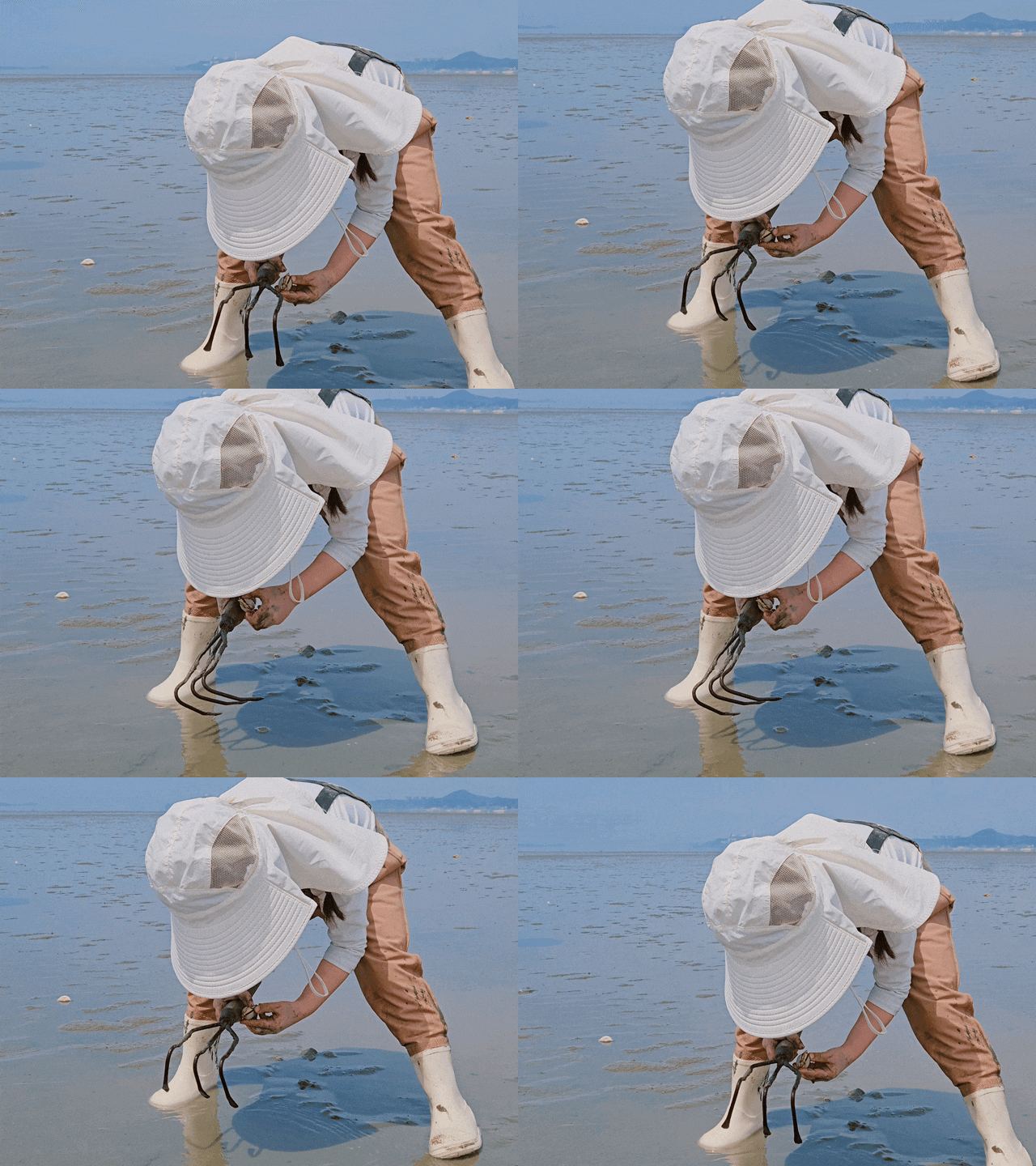
The Boryeong tide table is crucial for visitors planning mudflat experiences or fishing in the Daecheon Port and Muchangpo areas. This table provides essential information such as high tide (Manjo) and low tide (Ganjo) times, water levels (Jowi), and the direction of water movement, which are vital for various sea activities. For activities like mudflat exploration or walking along the sea path, checking the times around low tide is particularly important.
Tides are categorized into Sari (spring tide, when the tidal range is largest) and Jogeum (neap tide, when the tidal range is smallest). Sari periods are advantageous for mudflat experiences as the large tidal range exposes a wider area of the mudflats. For instance, specific periods in September are anticipated to be spring tides at Daecheon Port, ideal for clam digging. Conversely, for fishing, it is advisable to choose times when the water flow is gentler between low and high tides, rather than periods of significant tidal movement. Checking the daily tidal range on the tide table helps differentiate between Sari and Jogeum periods.
Bloggers recommend using websites like 'Badatime' to check tide tables in advance. They emphasize that the Sari period, with its large tidal range, is most favorable for mudflat experiences and haerujil (foraging). It is crucial to understand how to calculate tide times to avoid unproductive trips, especially since high tides during Sari periods can lead to significantly more exposed mudflats than usual.