 KO
KO
 EN
EN
 JA
JA
 TW
TW


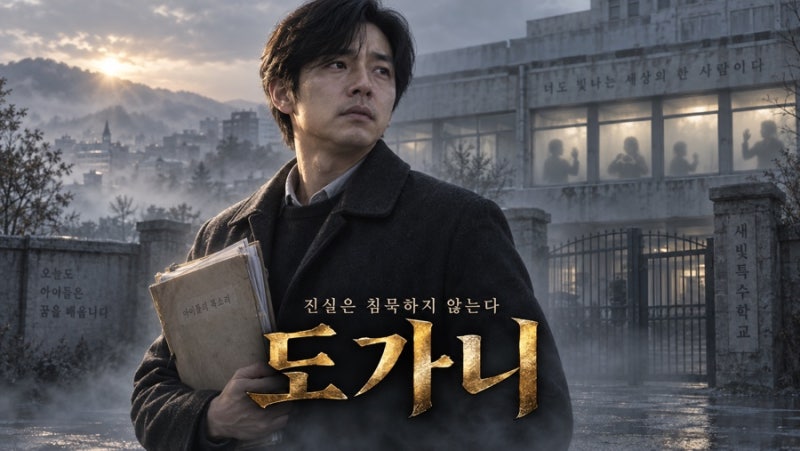
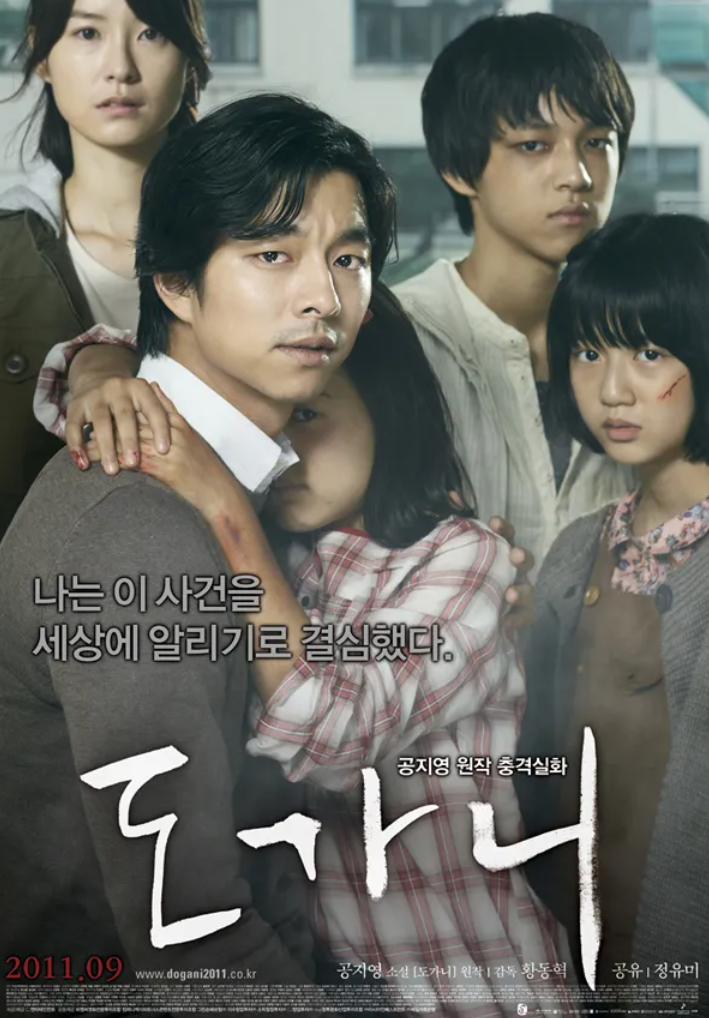
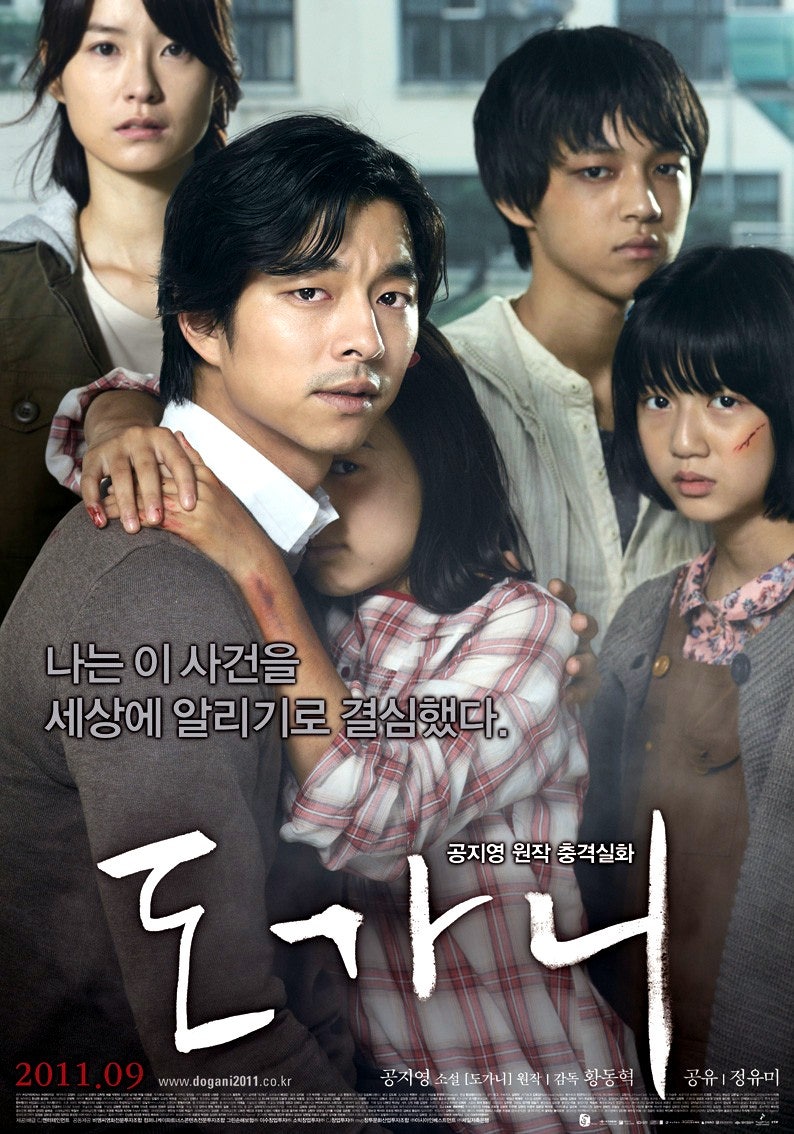
The Korean film 'The Crucible' (Dogani), released in 2011, sparked widespread public outrage in Korea by exposing the horrific sexual assault case at Gwangju Inhwa School. This cinematic adaptation of Gong Ji-young's novel brought a long-hidden tragedy to national attention, ultimately serving as a catalyst for significant legal reform, leading to the enactment of the 'Dogani Law' which strengthened punishments for sexual violence.
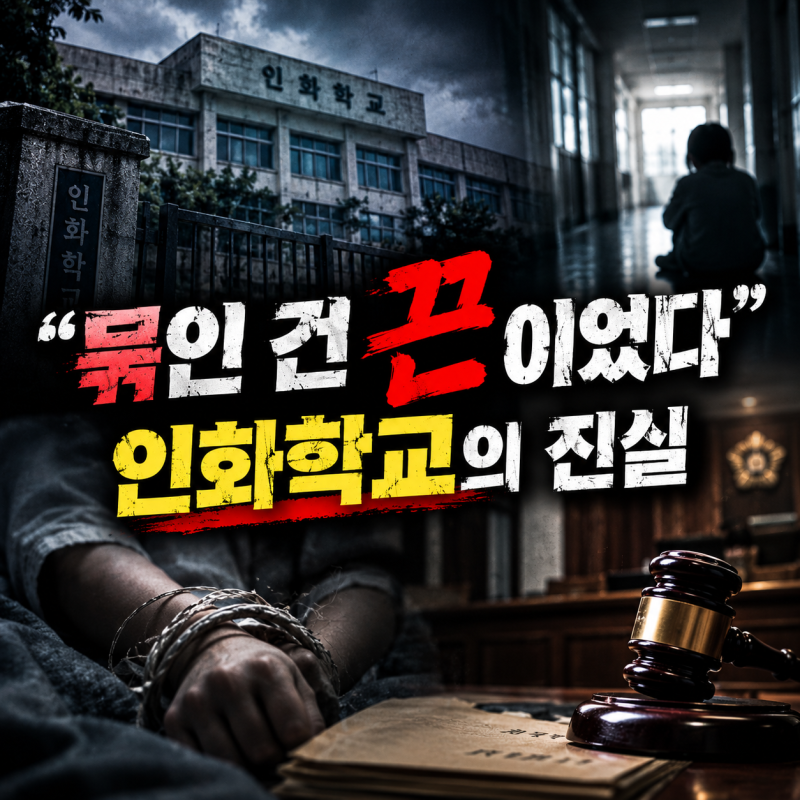
The Gwangju Inhwa School case, which occurred in the early to mid-2000s, involved school staff members sexually assaulting hearing and intellectually impaired students over an extended period. Initial investigations and trials resulted in lenient sentences for many perpetrators, fueling public frustration. The school, run by the Wooseok Foundation, operated under a closed, family-dominated structure where relatives held key administrative positions, enabling a systematic cover-up of the abuses involving over 30 victims.
Local bloggers reflect on how the movie, while fictionalizing some elements for dramatic effect—such as an external art teacher as the whistleblower—still powerfully conveyed the brutal reality. They note that the actual whistleblower was an internal childcare worker who faced severe retaliation, highlighting that the real-life situation, with its deep-seated corruption and the internal struggle of those who tried to expose it, was often even more harrowing than the film portrayed.