 KO
KO
 EN
EN
 JA
JA
 TW
TW
![[Movie in Hand] Interpreting the Perspective Shifts in The Handmaiden: Why Were the Same Scenes Shown Again?](https://mblogthumb-phinf.pstatic.net/MjAyNjA5MTBfNTYg/MDAxNzg5MDA0Nzc0MTQy.hFPjFjy63AkEO0KjlSk1VuJrXtkKtXtkaGTtettRd2og.GVWEYrTCjKeje8RoEv1SqmhPxKqHICT5kY57KdS7syEg.PNG/Gemini_Generated_Image_l5bgcwl5bgcwl5bg.png?type=w800)
![[Movie Review/Ending Included] Interpreting The Handmaiden's Ending and Mise-en-scène: A Captivating Liberation Blossoming in a Mansion of Greed](https://mblogthumb-phinf.pstatic.net/MjAyNjA5MDhfMjQ4/MDAxNzg4ODM2MDA5NTcw.-sMdb7v77bqjTwZadhWqLlrOUqD5lMcIl4aKXynMB30g.AxVK7IRG0hIYU8b4DJlY2DDF9HTzN8si3pjg27NpYZ8g.JPEG/%C6%F7%BD%BA%C5%CD.JPG?type=w800)
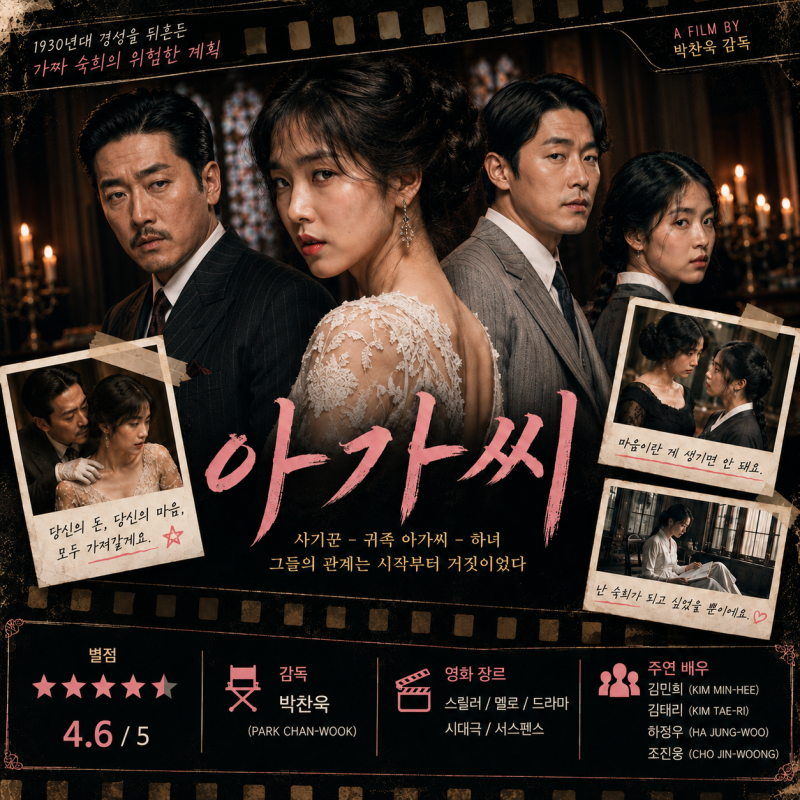
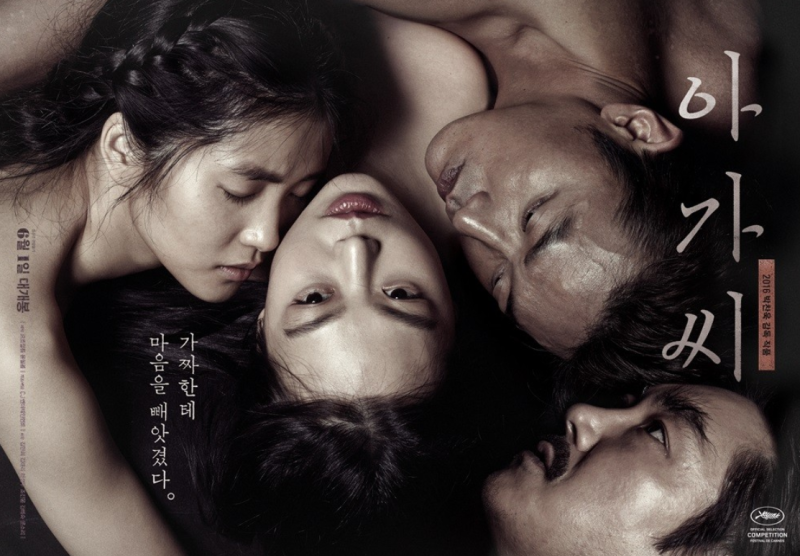
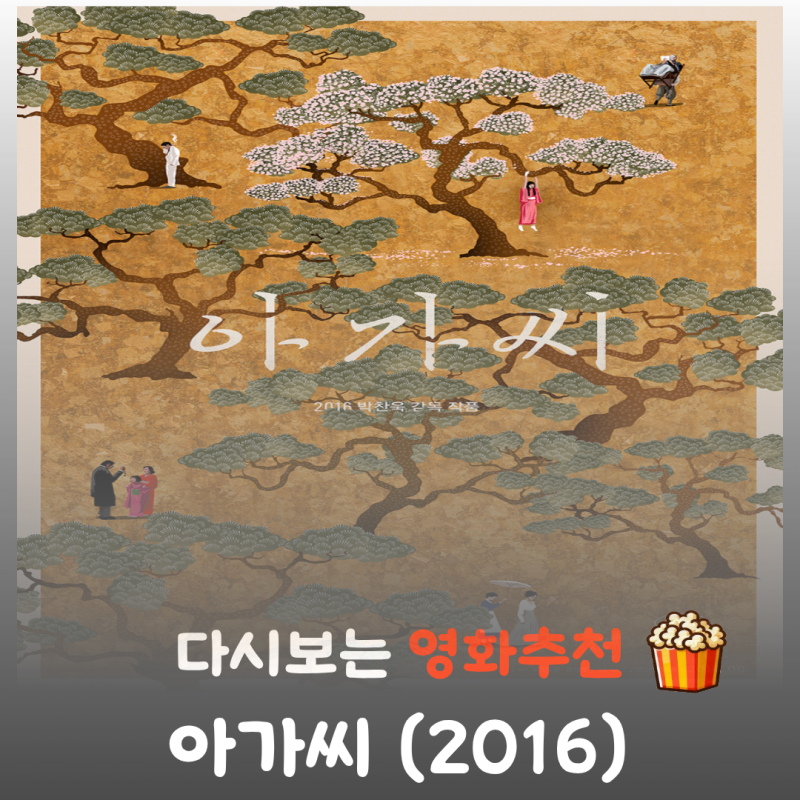
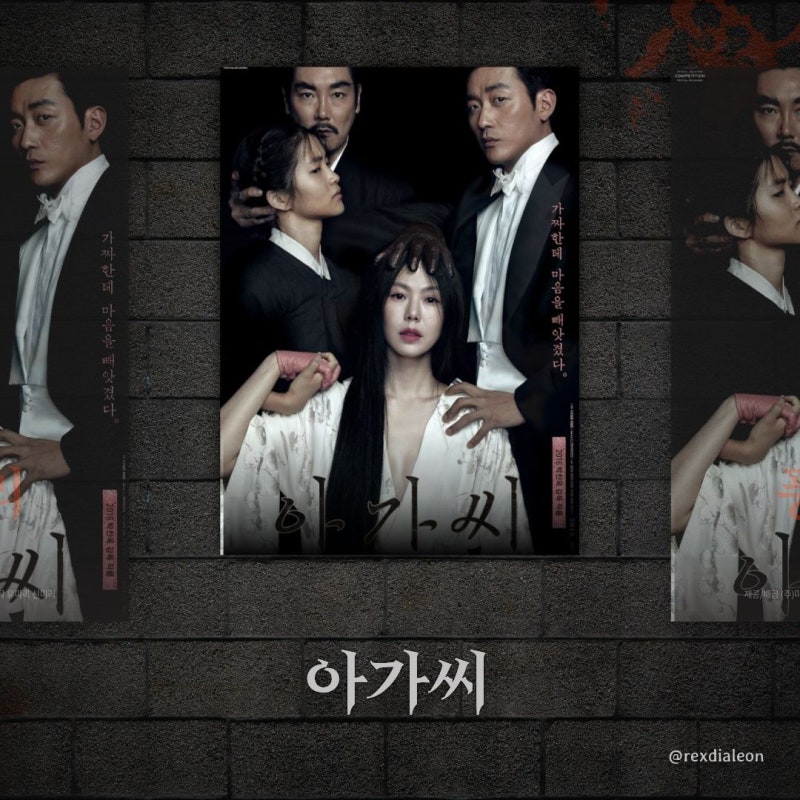
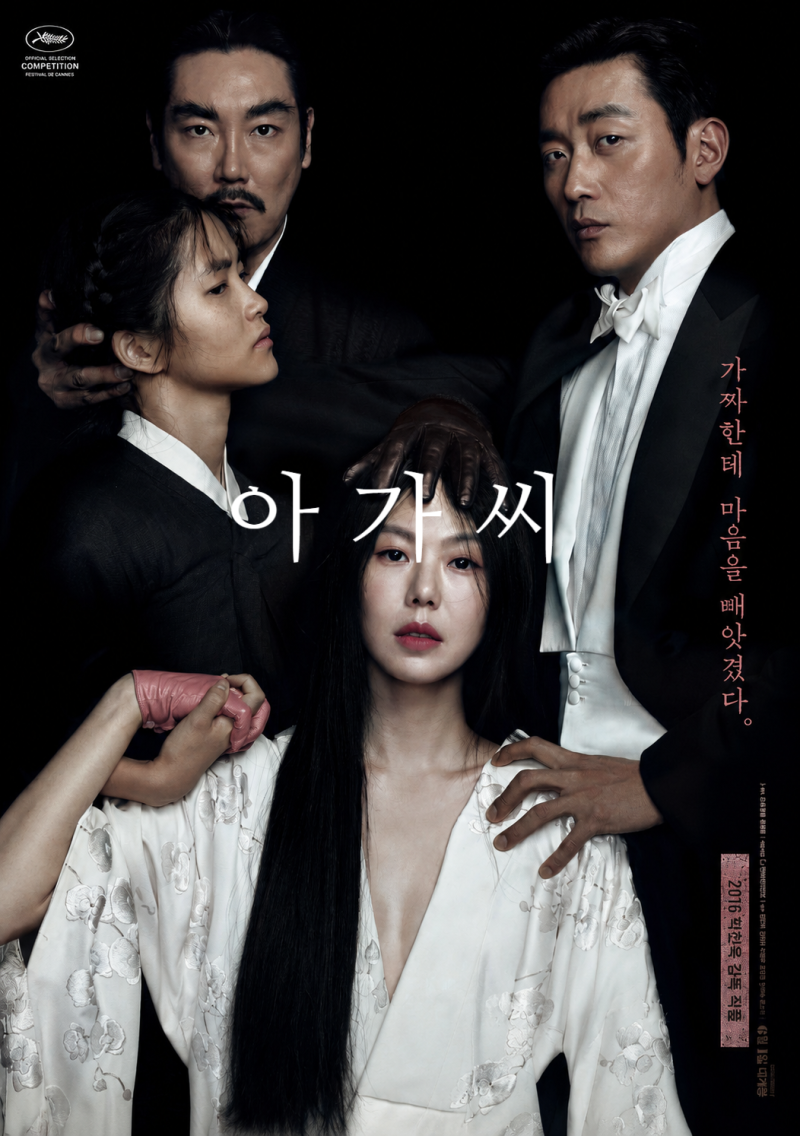
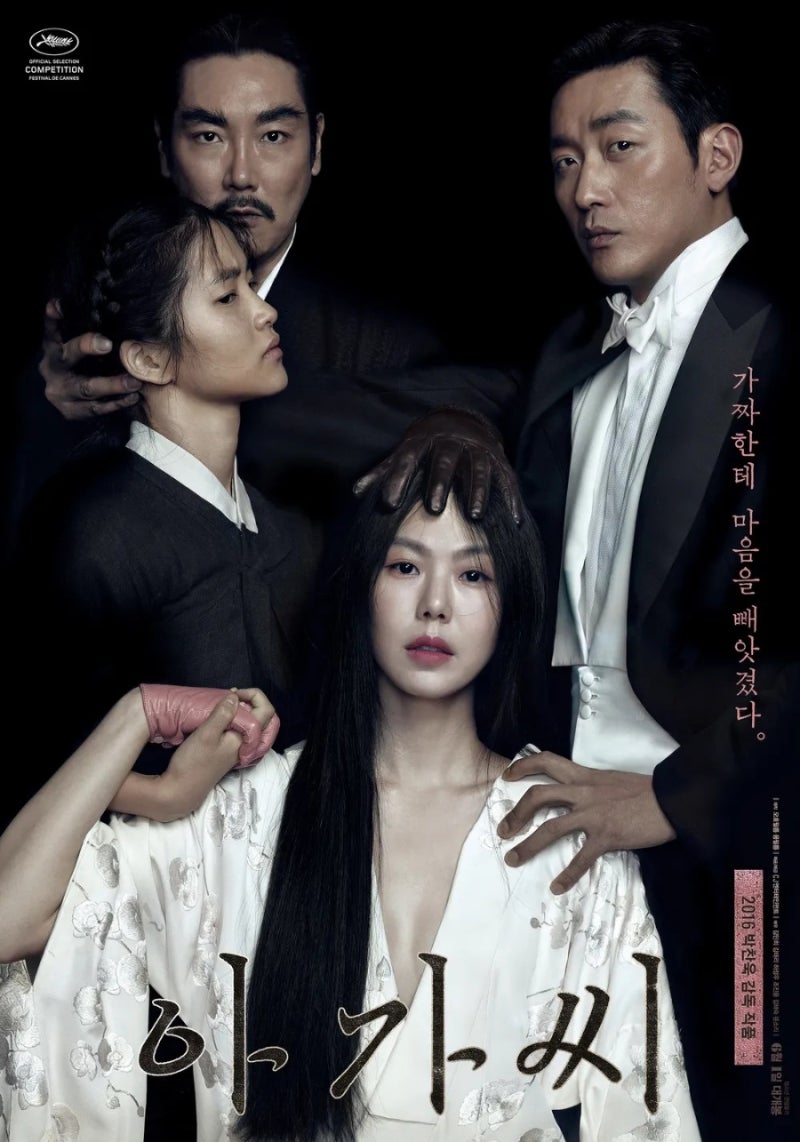
Park Chan-wook's "The Handmaiden" (아가씨) continues to captivate audiences in Korea and globally, celebrated for its intricate narrative structure and profound aesthetic. The film's enduring buzz stems from its masterful use of shifting perspectives, which recontextualizes events and character motivations, inviting repeated viewings and deep analysis from critics and viewers alike. This unique storytelling approach transforms a seemingly straightforward con into a complex psychological drama.
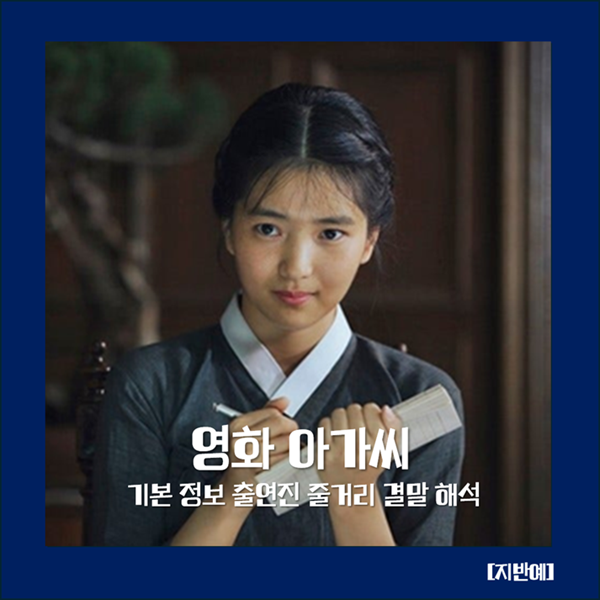
Released in 2016, this thriller, drama, and romance film runs for 144 minutes (168 for the extended cut) and features a stellar cast including Kim Min-hee as Hideko, Kim Tae-ri as Sook-hee, Ha Jung-woo as the Count, and Cho Jin-woong as Kouzuki. The initial plot follows Sook-hee, a pickpocket, who conspires with the Count to defraud the wealthy Japanese heiress Hideko. Sook-hee assumes the role of Hideko's handmaiden, tasked with facilitating the Count's marriage to Hideko, after which they plan to commit Hideko to an asylum and seize her inheritance. However, the story, adapted from Sarah Waters' novel "Fingersmith" and set in 1930s colonial Korea, reveals layers of deception and an evolving, unexpected bond between the two women.
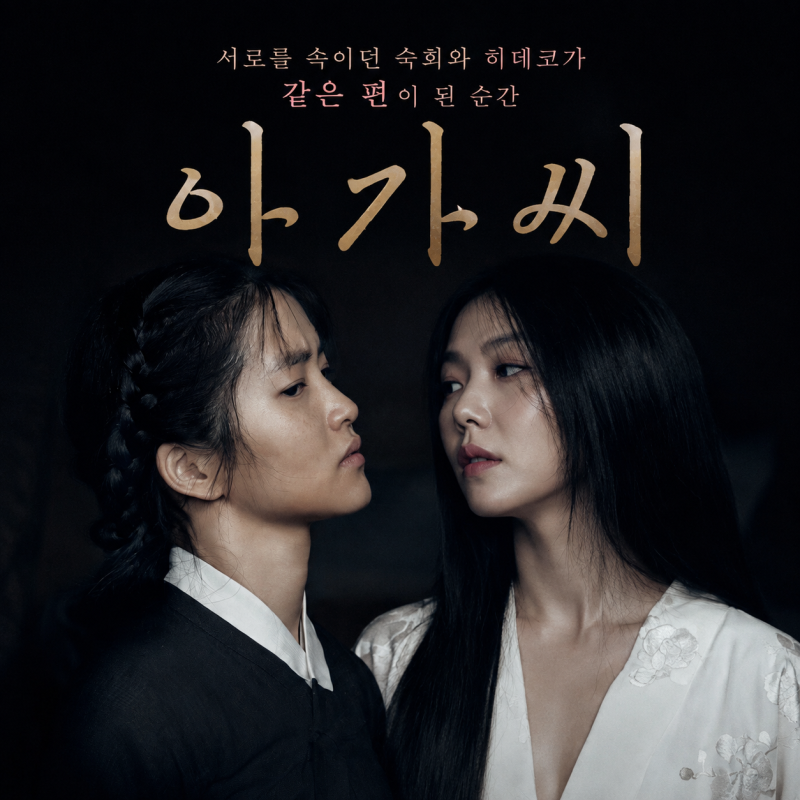
Korean bloggers consistently highlight the film's ingenious point-of-view shifts, where the same events are presented first from Sook-hee's perspective and then from Hideko's, completely altering the audience's understanding. This narrative device, coupled with the actors' compelling performances and the exquisite mise-en-scène (including costumes, props, and architectural details), is frequently praised. Many viewers find that beyond the initial twists, the film's true impact lies in its portrayal of the two women forging an alliance and choosing their own destinies, transcending the manipulative schemes of the men around them.