
 KO
KO
 EN
EN
 JA
JA
 TW
TW
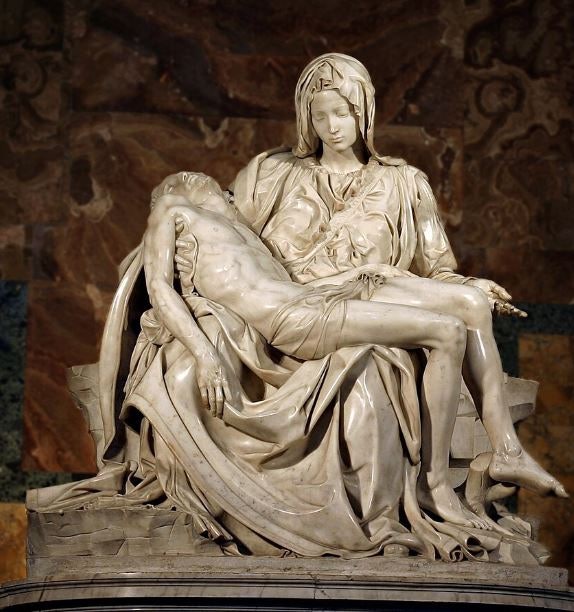
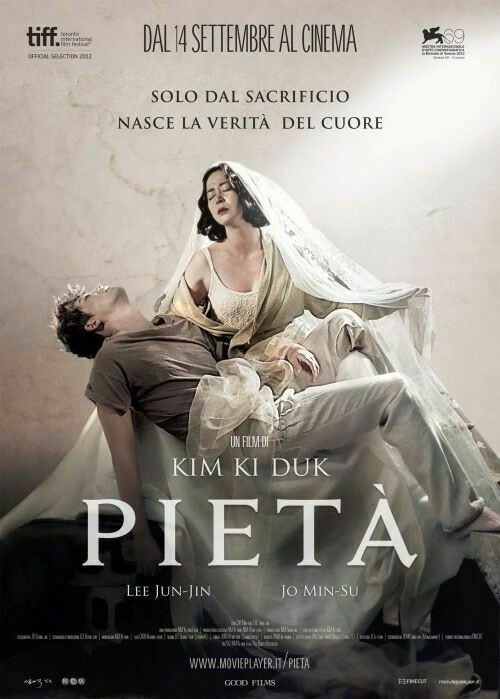


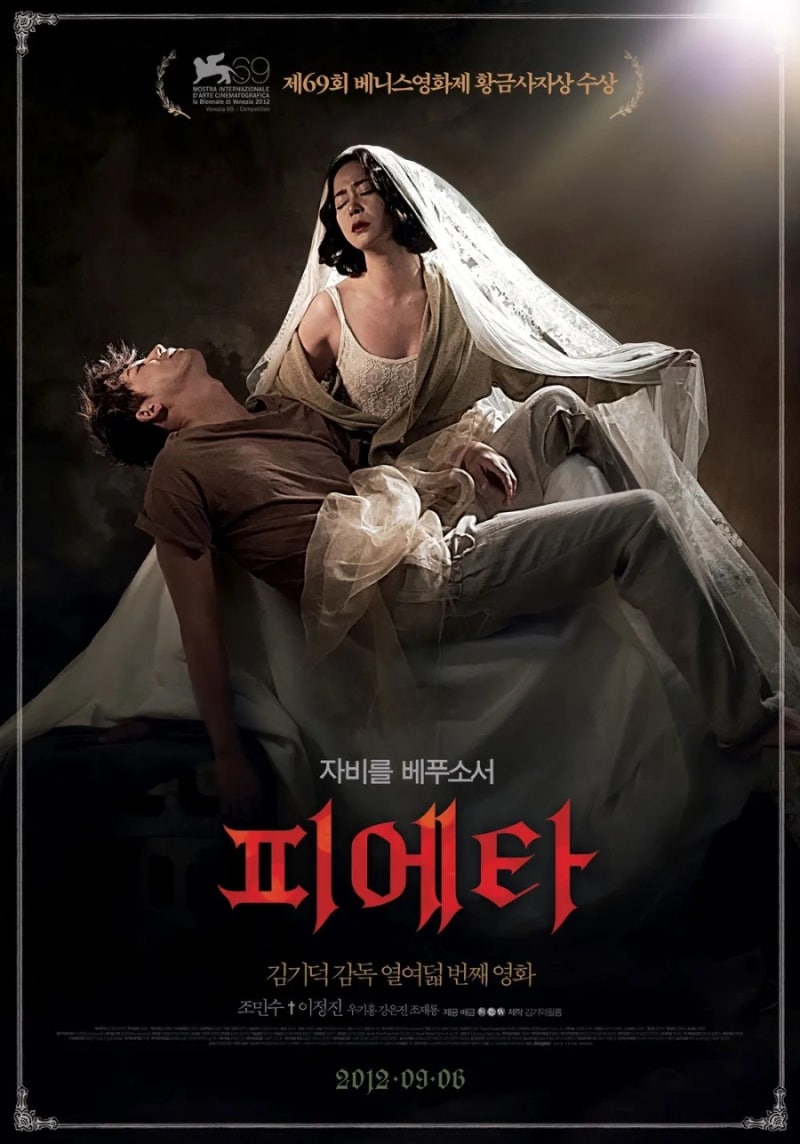
The film "Pietà" by director Kim Ki-duk is a significant topic in Korean cinema, known for its intense exploration of money, violence, and the possibility of salvation. The film provocatively uses the religious art concept of "Pietà" to frame a narrative about the destructive impact of debt and human cruelty in contemporary society. This approach has generated considerable discussion among audiences and critics alike.
The term "Pietà" originates from Italian, meaning "compassion," "pity," or "mercy," and traditionally refers to the artistic motif of the Virgin Mary cradling the body of Jesus Christ after his crucifixion, famously sculpted by Michelangelo. Kim Ki-duk's 2012 film, however, applies this title with an ironic twist, depicting a world where debt collectors inflict physical harm for unpaid loans, challenging the very notion of compassion. Actress Jo Min-su delivered a powerful and emotionally charged performance in the film, which is recognized as one of her most representative works.
Local bloggers describe the film as challenging to watch due to its brutal scenes and its complex portrayal of the blurred lines between perpetrators and victims, prompting viewers to question the possibility of redemption in such extreme circumstances. They emphasize that understanding the traditional meaning of "Pietà" is key to grasping the film's contrasting themes. Jo Min-su's acting is frequently praised for its intensity and impact, solidifying her reputation as a formidable film actress.


![[Movie Review #347] Director Kim Ki-duk's Film 'Pieta': Ending, Plot Summary, and Review](https://mblogthumb-phinf.pstatic.net/MjAyNTA5MjlfMjM4/MDAxNzU5MDcxOTU3ODMx.LOl2cir_-egAn_B-eBu0qDN3YlVmi7sTjvtx2SnWYtMg.ze4oQZlAQZ8oHyKF4keWuz3egJIncJ-xNGd8nXZeUFYg.JPEG/900%A3%DF1759071859870.jpg?type=w800)