 KO
KO
 EN
EN
 JA
JA
 TW
TW
![[Daegu/Art Museum] Enjoying the Daegu Gansong Art Museum Special Exhibition: From Gyeomjae Jeongseon to Shin Yun-bok's 'Portrait of a Beauty' (Part 2)](https://mblogthumb-phinf.pstatic.net/MjAyNjA5MjZfMjU1/MDAxNzkwNDI3MzE4NzQy.ZPAYnd1LxruLxlcz5GLa5Jvh-cDDwLNBITFkSNwADi0g.YHLTRXGgpmTFY8-6EyRks5NA79qTtEPE7mqXC8bxoQsg.JPEG/900_1790423947795.jpeg?type=w800)



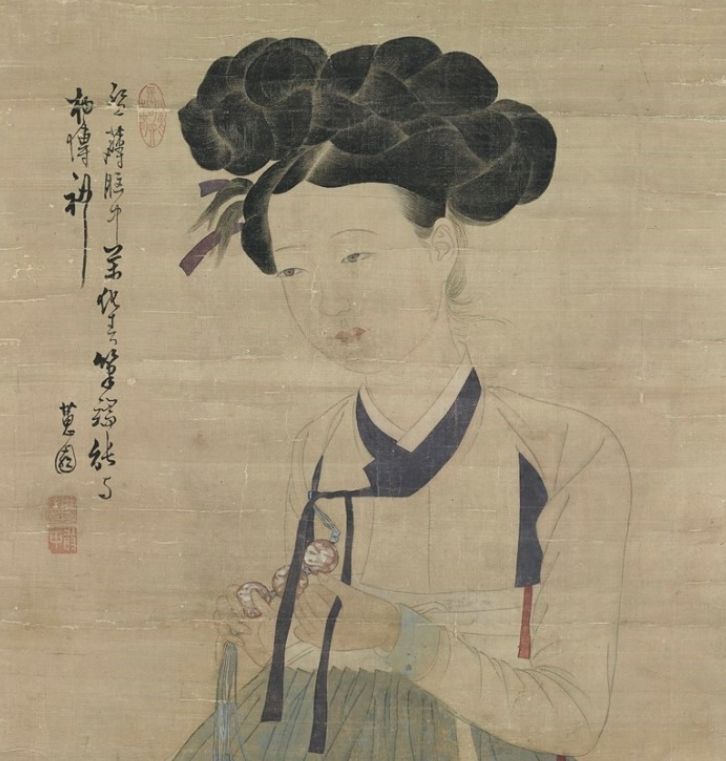
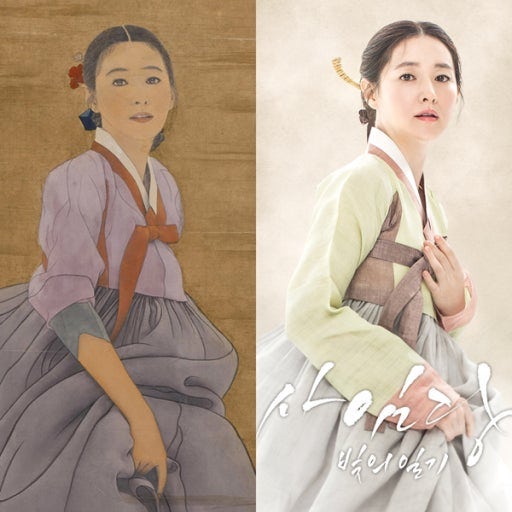
The movie "Miindo" (Portrait of a Beauty) continues to generate discussion in Korea, primarily due to its connection to the celebrated Joseon-era painter Shin Yun-bok and his famous artwork of the same name. This film, alongside popular novels and dramas, contributed to a significant "Miindo" phenomenon around 2008, drawing renewed attention to both the historical figure and the painting. Bloggers are actively exploring the historical accuracy, artistic significance, and the cinematic portrayal of this cultural touchstone.
Shin Yun-bok, known as Hyewon, was a male painter from a distinguished family of royal court artists; his father, Shin Han-pyeong, also painted portraits for kings. While modern dramas and the film "Miindo" depict Shin Yun-bok as a cross-dressing woman, this is a fictional interpretation. His iconic "Miindo" painting, housed at the Gansong Art Museum, showcases a woman with a blend of restraint and sensuality, characterized by features like a small face, narrow nose, small mouth, thin eyebrows, and monolid eyes, which were considered ideal beauty standards in Joseon. The painting's inscription speaks of conveying deep emotions through art.
Local bloggers express admiration for Shin Yun-bok's ability to capture profound human emotions and beauty within the strictures of Confucian society. They often describe the "Miindo" painting as captivating and charming to viewers. The 2008 film "Miindo" is recognized as a pivotal role for actress Kim Gyu-ri (then Kim Min-sun), whose preparation for the role, including learning to paint, inspired her to pursue art personally, eventually leading to her own exhibitions. The enduring appeal of Shin Yun-bok's work, despite limited historical records, reflects its artistic power.