 KO
KO
 EN
EN
 JA
JA
 TW
TW
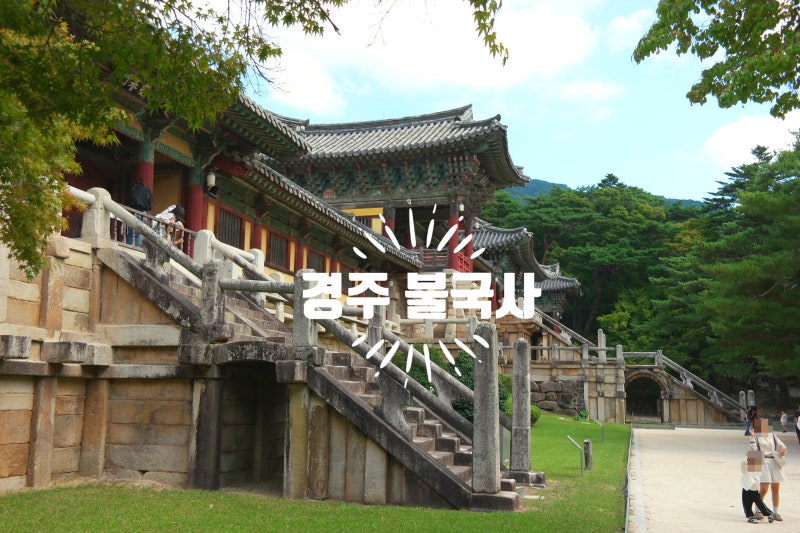
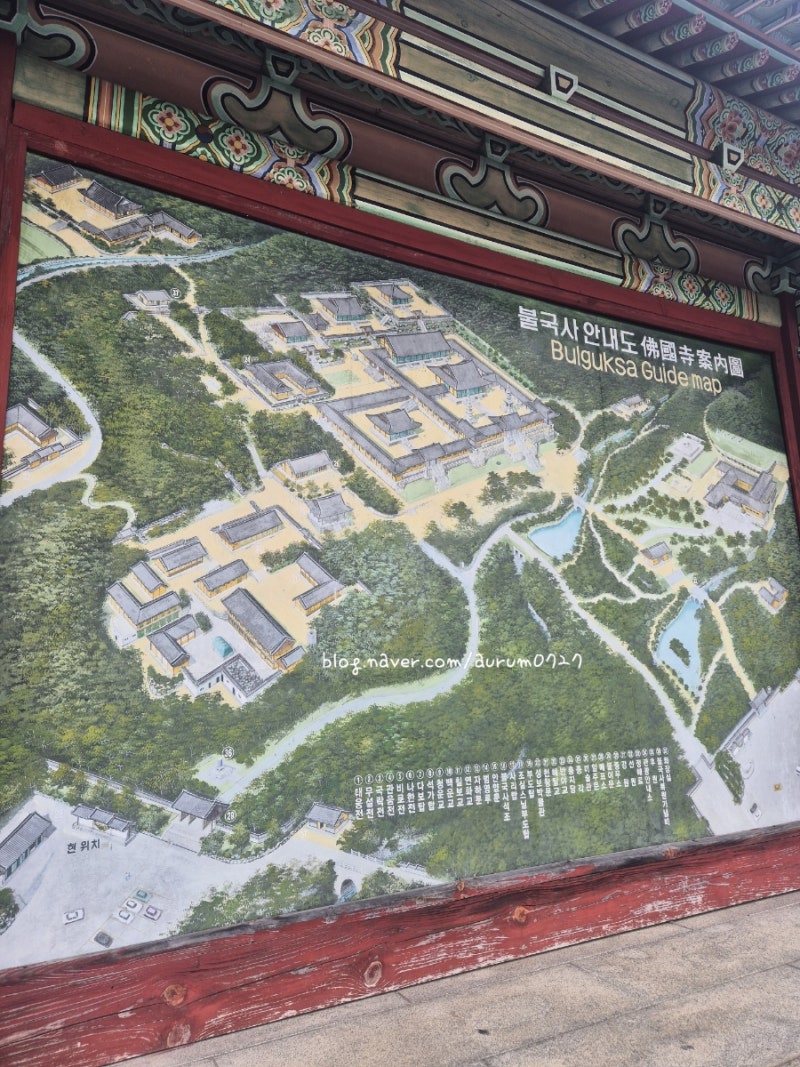
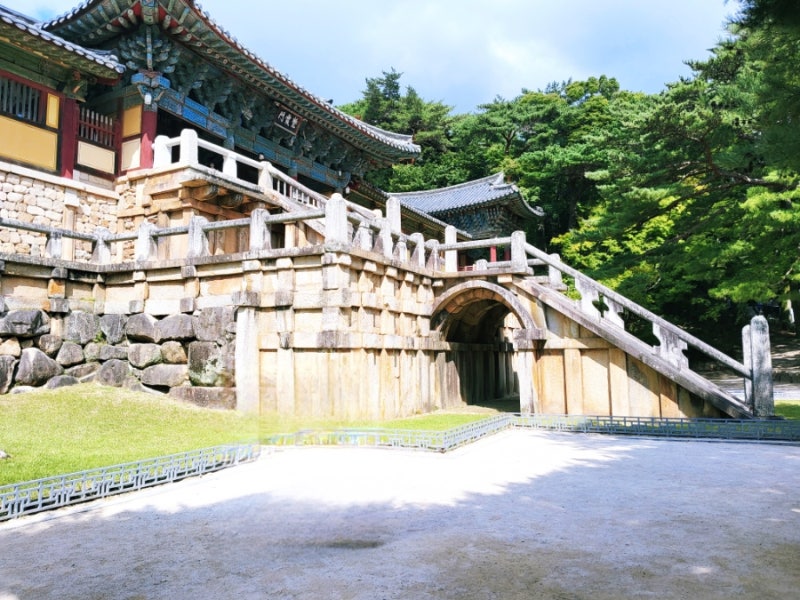
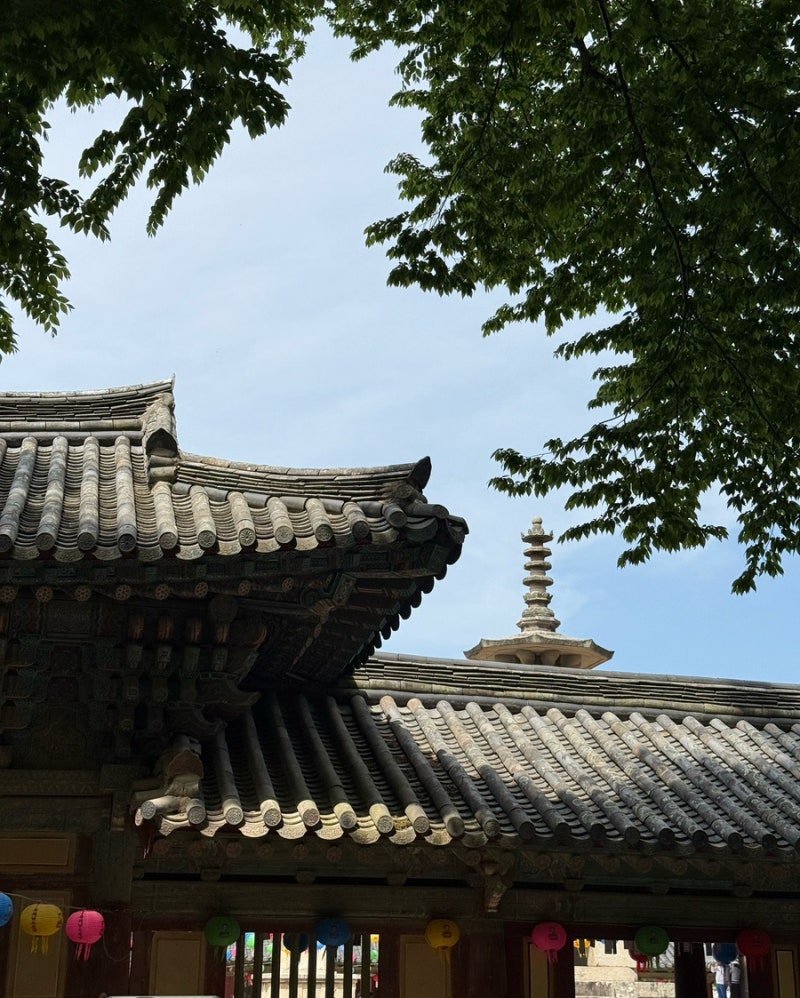
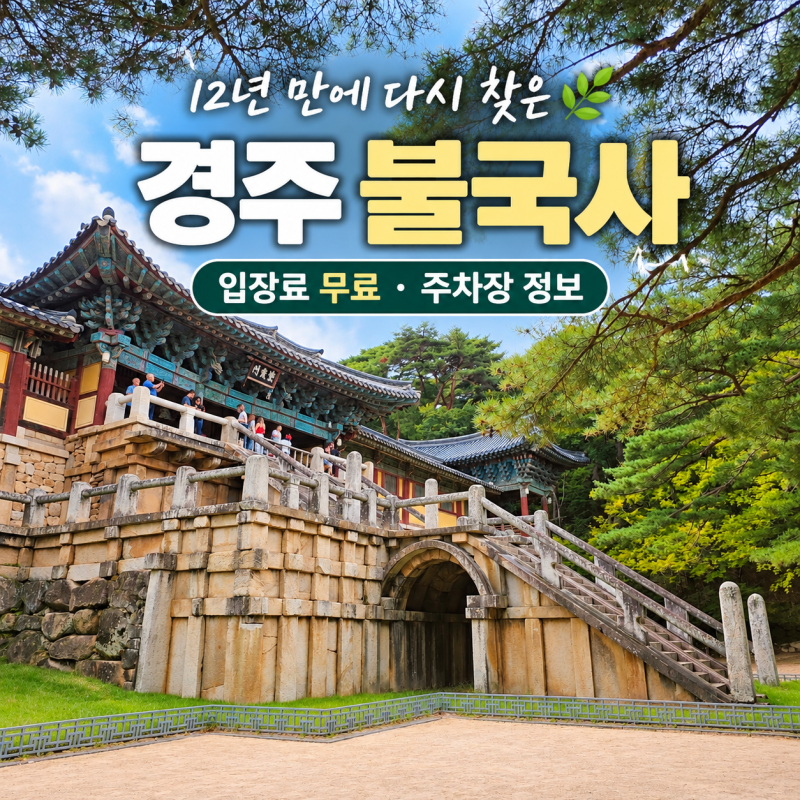
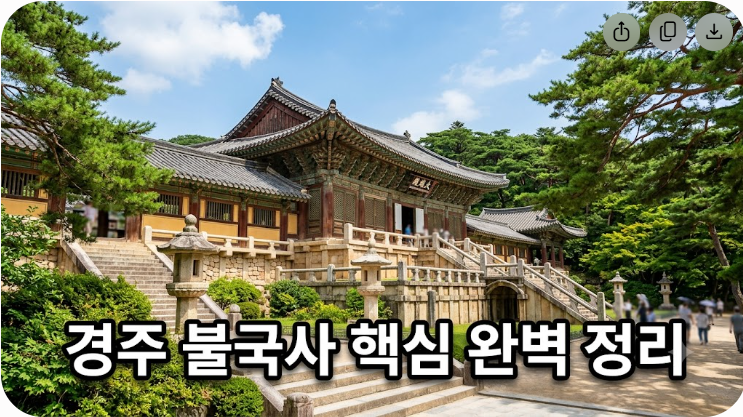
Bulguksa Temple in Gyeongju, a UNESCO World Heritage site, is a Silla-era Buddhist temple nestled on the slopes of Mount Tohamsan. Initiated by Kim Daeseong in 751 and completed in 774, the temple underwent several restorations after being damaged during the Imjin War, achieving its current form. Bulguksa represents the ideal Buddhist land that the Silla people aspired to realize on earth, holding both religious and historical significance.
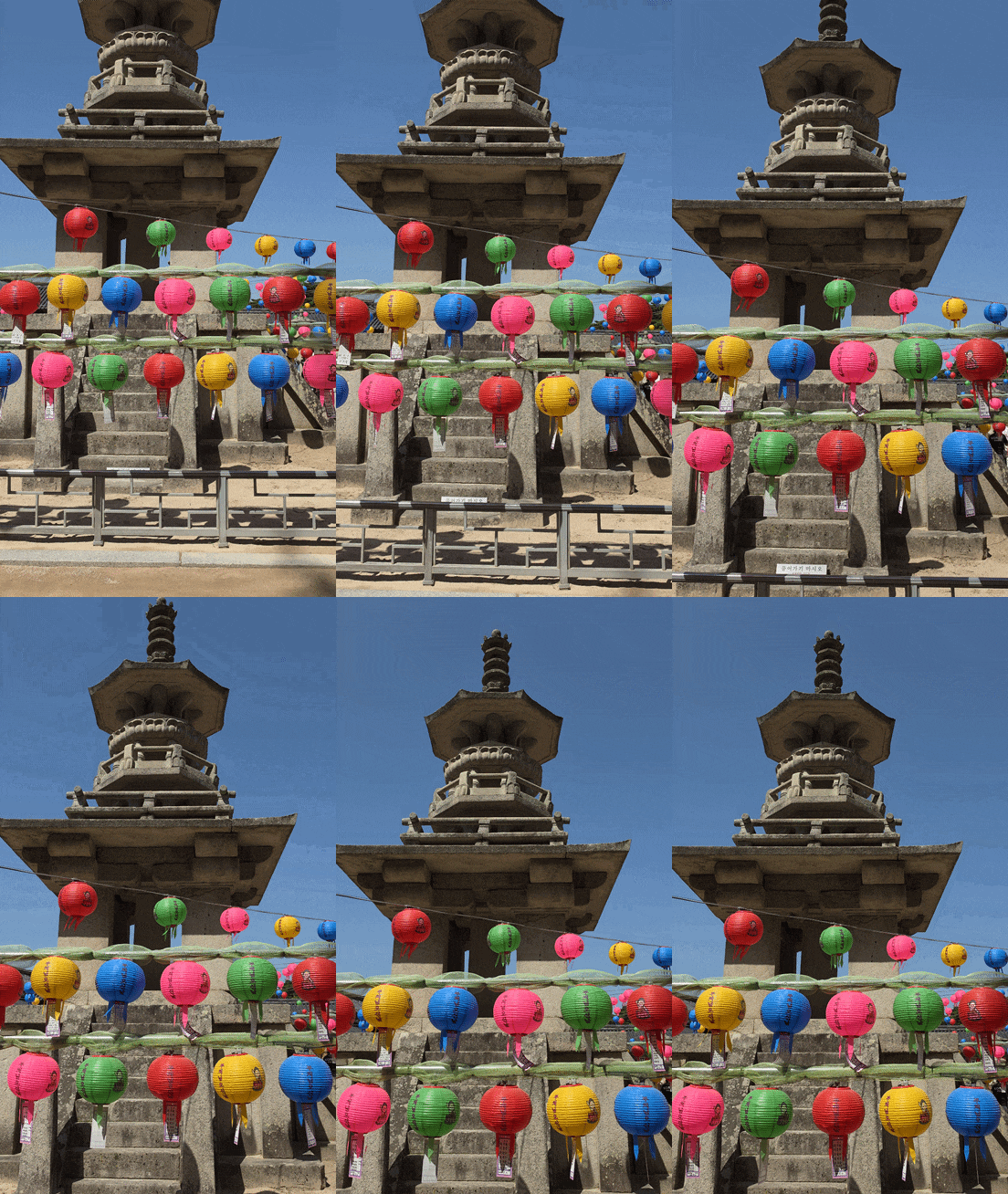
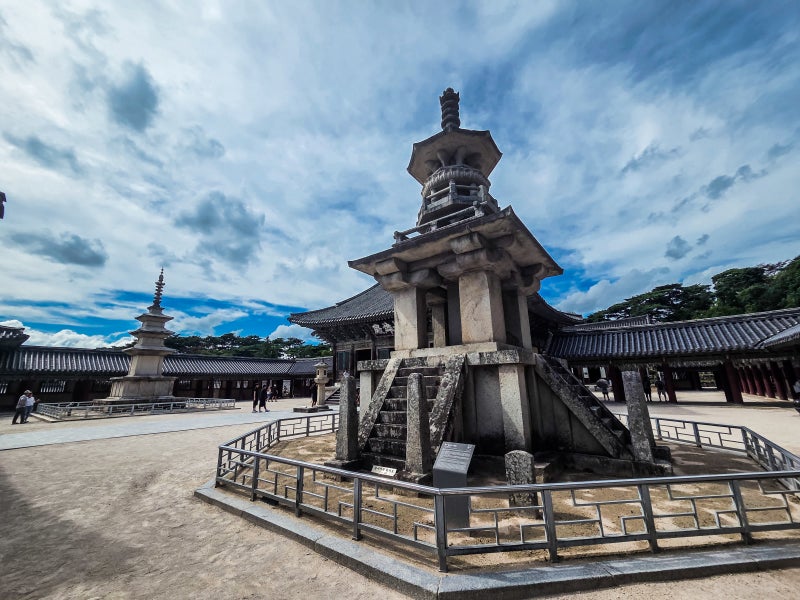
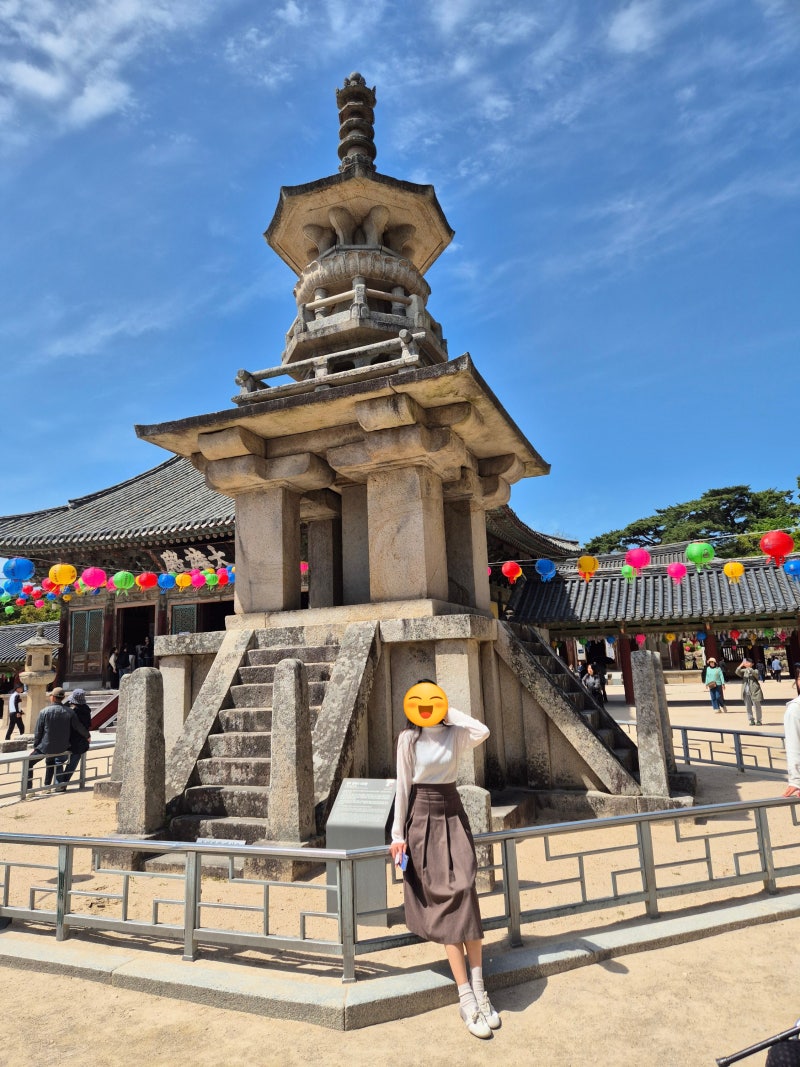
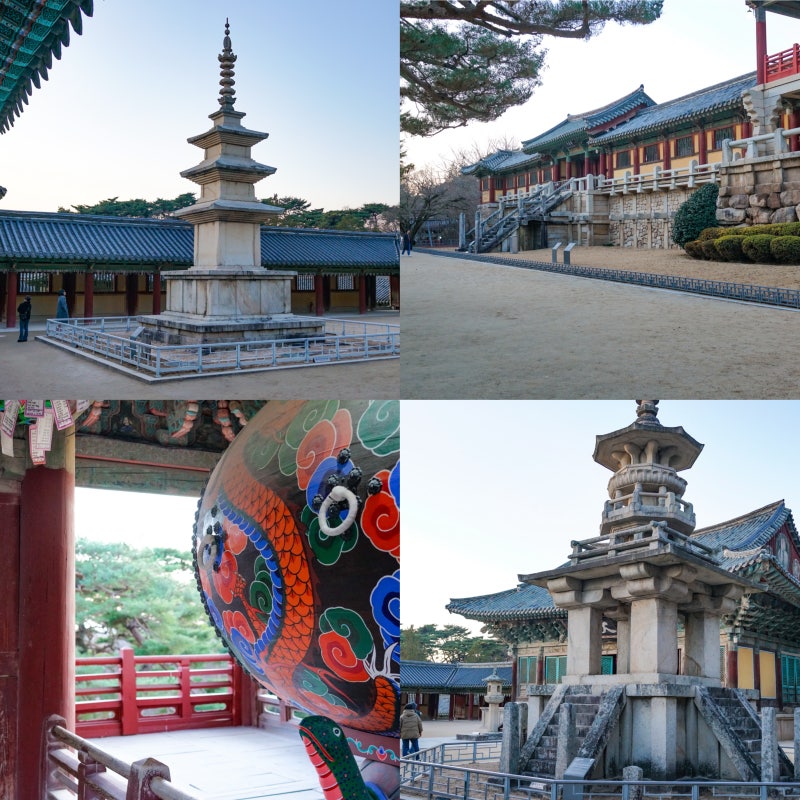
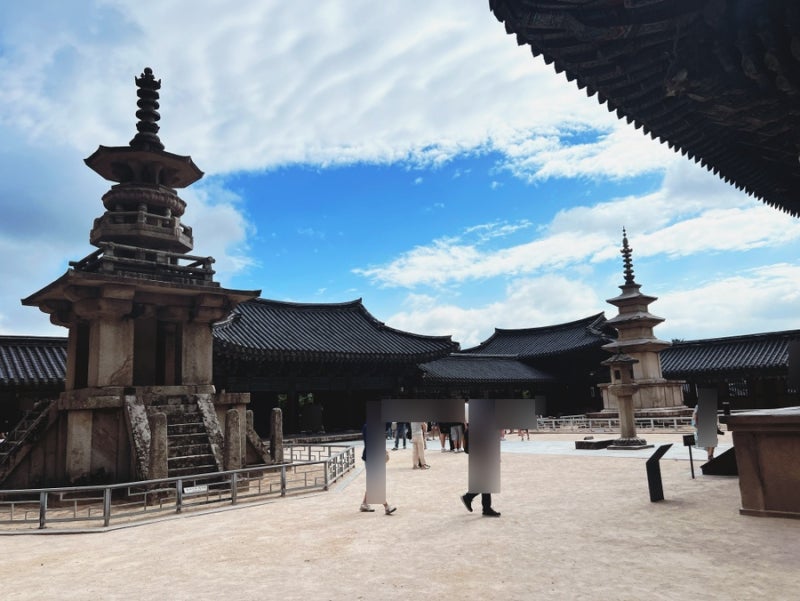
The temple complex includes various halls such as Daeungjeon, enshrining Sakyamuni Buddha; Geungnakjeon, symbolizing Amitabha Buddha's Pure Land; and Birojeon, representing Vairocana Buddha's Lotus World. In front of Daeungjeon stand the iconic Dabotap and Seokgatap pagodas, while Cheongungyo and Baegungyo bridges symbolize the path from the secular world to the Buddha's realm. The Bulguksa Museum also exhibits sarira reliquaries discovered during the repair of Seokgatap and other Unified Silla artifacts.
Many visitors perceive Bulguksa not merely as an ancient temple but as a place to directly experience over a thousand years of history. It is often remembered as a cherished destination for school field trips, with many noting that understanding the temple's layout, structured according to Buddhist cosmology, enhances the experience. The tranquil ambiance created by ancient stones, wood, and tiled roofs is said to bring a sense of peace to those who visit.
![[Jjanjune] Why We Visit Gyeongju Bulguksa Temple, a Famous Temple in Gyeongbuk, Every Year: Lantern Offerings for Family](https://mblogthumb-phinf.pstatic.net/MjAyNjA3MTZfMTY5/MDAxNzg0MTg3OTk5OTMw.36jaaZo2tktBcOTsyNM8SO0VVX4pXv7ScLnXU_W3I9Qg.hXf2ZyLsemGslNR8PMkfMJT-XqXQR4geRWqACfI1Obwg.JPEG/IMG_4166.jpg?type=w800)
![[National Heritage Visitor Passport Tour: Path of a Thousand Years of Spirit] Gyeongju Bulguksa Temple Stamp Location](https://mblogthumb-phinf.pstatic.net/MjAyNjA5MjBfMTI5/MDAxNzg5ODk1MDEzMjA1.dB2R2edDgsy7bqihWYjlhD-z-MbAuYbsutTNUqbjTOYg.WM3icYdOwCy1VlAZb2t5mvaj3wURDh99pwUJafdpbX4g.PNG/%BA%D2%B1%B9%BB%E7_%B1%B9%B0%A1%C0%AF%BB%EA%BF%A9%B1%C7_%B8%DE%C0%CE_%B4%D9%BA%B8%C5%BE.png?type=w800)


![[Gyeongju National Park] Exploring Bulguksa Temple in Autumn](https://mblogthumb-phinf.pstatic.net/MjAyNjA5MzBfMzQg/MDAxNzkwNzI5MjAzNDAw.W6DjibZoBOyYvcyO-6QnpgL4dp4c8IA1s09kmnzVjq8g.BlRp0r0uALOb0z3MWUDdrzfM3-PpGgN4XfEZQ9uc0xIg.PNG/2026%B3%E2_%BA%ED%B7%CE%B1%D7%B1%E2%C0%DA%B4%DC_%C4%BF%B9%F6_%287%29.png?type=w800)